Unknown's avatar

COMMON YELLOWTHROATS ON ABACO

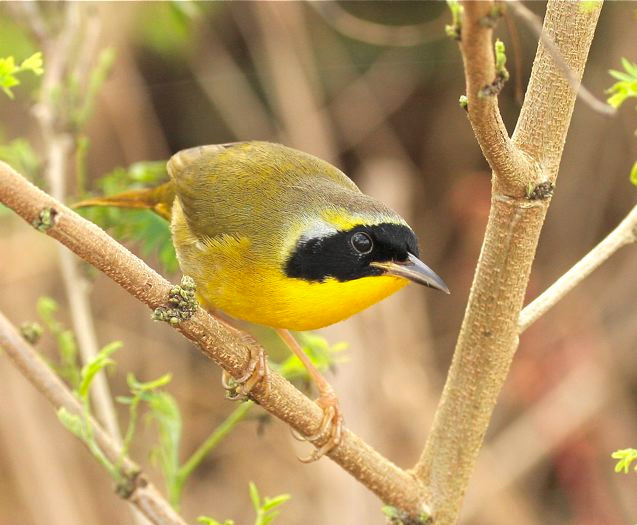
Common-yellowthroat, Abaco (Erik Gauger)

COMMON YELLOWTHROATS ON ABACO: CHEERFUL WINTER WARBLERS

Abaco is fortunate to be home to the endemic BAHAMA YELLOWTHROAT Geothlypis rostrata, a striking bird with a dashing black mask and bright yellow body in the male. You can see it with its fellow endemics HERE. But there is similar winter resident species, the COMMON YELLOWTHROAT Geothlypis trichas, that can be seen on Abaco between October and March. Now is a very good time to look out for them. However, the two species are easy to confuse.

Common Yellowthroat (male)Common Yellowthroat, Gilpin Pond, Abaco Bahamas (Tom Sheley)

Bahama Yellowthroat (male)Bahama Yellowthroat (M) BH IMG_0675 copy

WHAT’S THE DIFFERENCE?

  • SIZE – the BW is slightly larger and sturdier than the CW
  • BEAK – larger in the BW, and some might say it tends to be decurved
  • COLOUR – the BW is more colourful, with more extensive yellow underparts and mask
  • FEMALES – both species lack the mask and are duller; the female BW has a greyer head
  • HABITAT – both are found in the same areas; the CW prefers denser vegetation near water
  • DEBATEABLE – it seems to me the pale stripe behind the mask is usually less prominent in the BW

Common Yellowthroat male with conspicuous pale head-stripe800px-Common_Yellowthroat_by_Dan_Pancamo

Both yellowthroat species are an endearing mix of shy and inquisitive. These birds are responsive to ‘pishing’, and once lured from cover they may remain nearby on low branches or shrubs watching you with interest as you watch them. Their song – similar in both species – is fairly easily imitated (or at least approximated), which may also bring them into the open – a source of great satisfaction to the amateur birder when it works. Unless it’s just coincidence, of course… The songs of the two species recorded below sound almost indistinguishable (except that the first one is professional and the second notably amateur…).

COMMON YELLOWTHROAT 

Todd Wilson / Xeno Canto

BAHAMA YELLOWTHROAT

RH own recording

Female Common Yellowthroats are unassuming and quite delicate little birds. The first of these two images shows an immature bird, with its front beginning to become yellow. The second is a mature female.Common Yellowthroat (f, imm) Bruce Hallett IMG_9435Common Yellowthroat (f) Bruce Hallett IMG_4057

Two more male Common Yellowthroats to admire…Common Yellowthroat (m) Bruce Hallett IMG_4232  Common Yellow-throat, Abaco (Becky Marvil)

Photo Credits: Erik Gauger (1); Tom Sheley (2); Bruce Hallett (3, 5, 6, 7); Dan Pancamo /Wiki (4); Becky Marvil (8) Audio: Xeno Canto; RH

Unknown's avatar

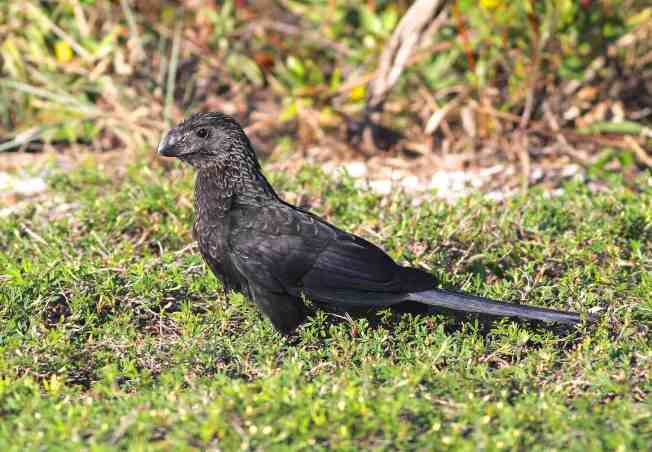
SMOOTH-BILLED ANIS ON ABACO, BAHAMAS

Smooth-billed Ani, TCGC Hole 11 - Becky Marvil

Smooth-biled Ani, Abaco - Bruce Hallett

Credits: Becky Marvil, Nina Henry, Tony Hepburn, Gerlinde Taurer, Roselyn Pierce, Tom Shelley, Bruce Hallett; Xeno Canto for range map & sound file

Unknown's avatar

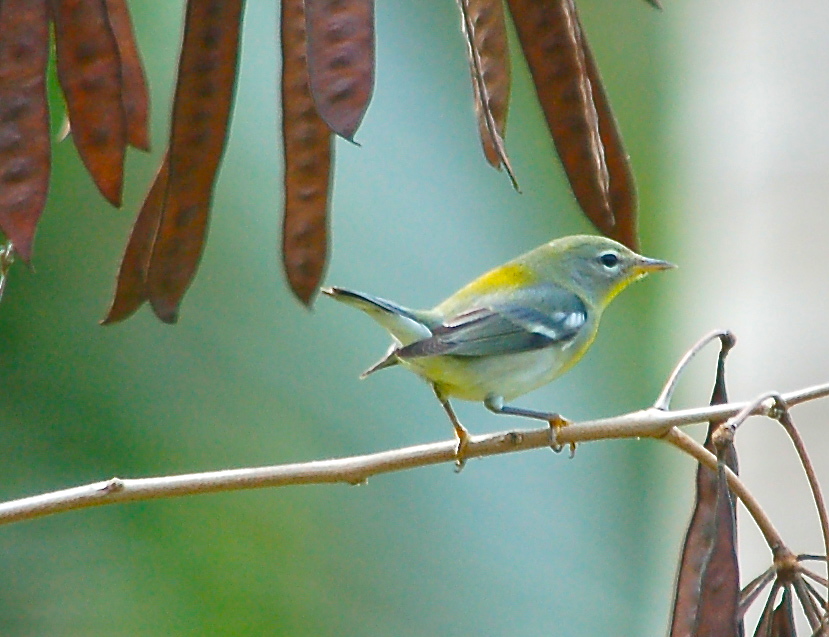
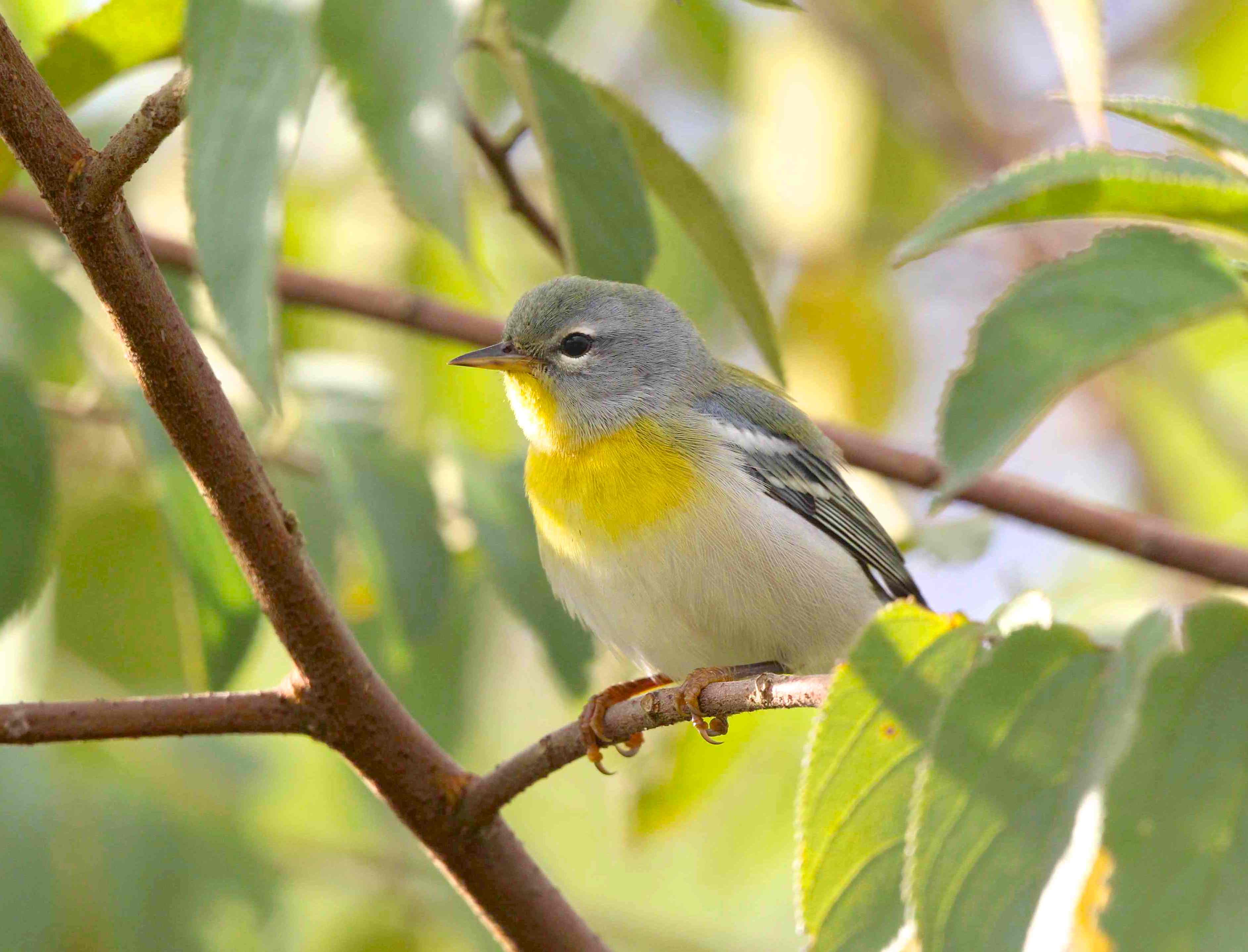
NORTHERN PARULA (WARBLER) ON ABACO, BAHAMAS

NORTHERN PARULA Setophaga americana 

220px-Parula_americana_map.svg

GALLERY

All birds photographed on Abaco, Bahamas and featured in BIRDS OF ABACO (PDF available)

Northern Parula BH (ad m)


Northern Parula WB P1001202 copy

BAHAMAS - N. Parula Warbler -  Oct 2010 sm

BAHAMAS - Northern Parula 2, 1-22-12, Nursery copy 2

Northern Parula BH (imm - 1st fall f) sm

Northern Parula CN clip 300 to jpg sm

© Keith Salvesen / Rolling Harbour / Birds of Abaco

Unknown's avatar

FIVE GULL SPECIES ON ABACO

Herring Gull (ad, nb) BH

There are 8 gull species recorded on Abaco. The 5 species shown here all feature in the new ‘DELPHI CLUB GUIDE TO THE BIRDS OF ABACO’.  The others are the occasional vagrants Black-legged Kittiwake and Black-headed Gull;  and the rare winter visitor Great Black-backed Gull.  We do in fact have a Black-headed Gull in the archive (in winter plumage), but it was taken on New Providence and wasn’t eligible for inclusion in a book of Abaco birds. Even as a cheat.

Black-headed Gull (winter plumage) NPBlack-headed Gull (adult, winter plumage) WB

HERRING GULL (& header image) (WR 2)herring-gull-5Herring Gull WB P1000298 small

BONAPARTE’S GULL (WR 4)Bonaparte's Gull BHBonaparte's Gull BH (Ad NB) SMALL

LAUGHING GULL  (PR B 1)Laughing Gull4_-NHlaughing-gulls2 EG

LESSER BLACK-BACKED GULL (WR 2)Lesser Black-backed Gull (ad, nb) BH Lesser Black-backed Gull WB

RING-BILLED GULL (WR 1)Ring-billed Gull (Nina Henry : DCB)Ring-billed Gull BH (ad nb)

Photo Credits: Bruce Hallett, Woody Bracey, Nina Henry, RH

Unknown's avatar

FIVE STARS: BAHAMAS ENDEMIC BIRDS (FOUR FROM ABACO)


20130106_Bahamas-Great Abaco_4846_Bahama Yellowthroat_Gerlinde Taurer copy

Bahama Yellowthroat (Gerlinde Taurer)

FIVE STARS: BAHAMAS ENDEMIC BIRDS (FOUR FROM ABACO)

Abaco is fortunate to be home to 4 of the 5 endemic Bahamas species. The fifth, the beautiful BAHAMA ORIOLE Icterus northropi, was found on both Abaco and Andros until the 1990s, when it sadly became extirpated from Abaco. Now found only on Andros, there are thought to be fewer than 300 Orioles left – a barely sustainable number. The species is unsurprisingly IUCN listed as critically endangered. Here’s a picture of one as a reminder of what Abaco is now missing…

Bahama_Oriole (Wiki)

Bahama Oriole


Abaco’s four endemic species are the tiny Bahama Woodstar hummingbird, the Bahama Yellowthroat, the Bahama Warbler (since 2011), and the Bahama Swallow. All are of course permanent breeding residents on Abaco and its outer Cays. None is exclusive to Abaco; all are relatively plentiful. The Woodstar is perhaps the hardest to find, not least because it competes territorially with the Cuban Emerald hummingbird. Even Woodstars can be found easily in some areas – Man-o-War Cay is a good place for them, for example. Here are some striking images of these four endemic bird species taken from the archives for “The Birds of Abaco” published last month. 

BAHAMA WOODSTAR Calliphlox evelynae 

Bahama Woodstar male 3.1.Abaco Bahamas.2.12.Tom Sheley copy

Bahama Woodstar (m) (Tom Sheley)

Bahama Woodstar (f) TL IMG_3213 2

Bahama Woodstar (f) Tara Lavallee

BAHAMA YELLOWTHROAT Geothlypis rostrata

Bahama Yellowthroat vocalizing.Abaco Bahamas.Tom Sheley

Bahama Yellowthroat (Tom Sheley)

Bahama Yellowthroat (M) BH IMG_0675 copy

Bahama Yellowthroat (Bruce Hallett)

BAHAMA WARBLER Setophaga flavescens

Bahama Warbler BH IMG_8398 copy - Version 2

Bahama Warbler (Bruce Hallett)

Bahama Warbler WB P1001012 copy

Bahama Warbler (Woody Bracey)

BAHAMA SWALLOW Tachycineta cyaneoviridis

Bahama Swallow CN

Bahama Swallow (Craig Nash)

bahama-swallow EG  copy

Bahama Swallow (Erik Gauger)

“The Delphi Club Guide to the Birds of Abaco”  was published as limited edition of 500 and has only been for sale for 8 weeks or so exclusively through the Delphi Club. Yesterday, we passed a happy milestone in that short time as the 250th copy was sold. Complimentary copies have also been donated to every school and relevant education department on Abaco to tie in with the excellent policy of teaching children from an early age the value of the natural world around them, the importance of its ecology, and the need for its conservation. The cover bird for the book was easy to choose – it just had to be a male Woodstar in all his glory with his splendid purple ‘gorget’. 

Bahama Woodstar (m) BH IMG_0917 copy

Bahama Woodstar (m) Bruce Hallett

JACKET GRAB JPG

Image credits as shown; otherwise, ‘cover bird’ by Tom Sheley, Bahama Oriole from Wiki

Unknown's avatar

THE MANGROVE CUCKOO ON ABACO

 Mangrove Cuckoo, Abaco, Bahamas (Bruce Hallett)

THE MANGROVE CUCKOO ON ABACO

Summer is icumen in, that’s for sure. Has already cumen in, to be accurate. The approach of summer is the time when cuckoos tend to sing loudly (not lewdly, as the old lingo might suggest). The YELLOW-BILLED CUCKOO, recently featured, is one. The MANGROVE CUCKOO (Coccyzus minor) is another. Before I get on to some gorgeous pictures (none taken by me!), let’s have a sample of how this species sounds. The call has been described in various ways, for example as “gawk gawk gawk gawk gauk gauk”. I’m not so sure. And I can’t think of a sensible way to write it out phonetically. So I won’t. Please try, via the comment box…

Jesse Fagan / Xeno-Canto

 Cornell Lab / Allaboutbirds  

MANGROVE CUCKOO, Abaco (Alex Hughes)Mangrove Cuckoo with insect.Delphi Club, Abaco, Bahamas (Tom Sheley)

You will notice that all three birds above have got fat insects in  their beaks. A lot of photos in the archive show feeding mangrove cuckoos. Maybe that’s when they are most likely to break cover, for they are quite a shy species.  Their preference is for caterpillars and grasshoppers, but they are happy to eat other insects, spiders, snails, lizards and (with a nod to an all-round healthy diet) fruit.

Mangrove Cuckoo, Delphi Club, Abaco, Bahamas (Tom Sheley) copyMangrove Cuckoo, Abaco, Bahamas (Gerlinde Taurer)Mangrove Cuckoo, Abaco Alex Hughes

Delphi is lucky to have some of these handsome birds lurking in dense foliage along the drives – the guest drive in particular. Some of these photographs were taken there. Occasionally you may see one flying across a track ahead of a vehicle, flashing its distinctive tail. It’s significant that only the last of these photos shows the bird right out in the open – the rest are all deeper in the coppice.

Mangrove Cuckoo, Abaco, Bahamas (Tony Hepburn) copyMangrove Cuckoo, Abaco, Bahamas (Tony Hepburn)  copyCredits: Bruce Hallett, Alex Hughes,  Tom Sheley, Gerlinde Taurer and the late Tony Hepburn; Audio – Xeno-Canto & Cornell Lab. All photos taken on Abaco!


Unknown's avatar

SEVEN TERN SPECIES ON ABACO

Royal Terns Abaco (2) 4

SEVEN TERN SPECIES ON ABACO

A total of 12 tern species have been recorded on Abaco and in Abaco waters. Ever. Some are permanently resident, some are winter visitors, some arrive for the summer and one or two – for example the Arctic Tern – are one-off or vanishingly rare sightings. A few are commonplace, some you may see if you know where to look or are lucky, some would not be worth making a special trip to Abaco to find…

Here are 7 tern species that all feature in the newly published “Delphi Club Guide to the Birds of Abaco”. A cunning code devised by Bahamas ornithologist Tony White tells you when they are around (PR, WR, SR = permanent, winter, summer resident; TR means transient) and the likelihood of seeing one at the appropriate time (1 = very likely to 5 = next to no chance). B means ‘breeds on Abaco’.

The header picture shows a line up of Royal Terns perched characteristically facing the breeze on a dead tree far out on the Marls. I took it while we were out bonefishing, and our guide Ishi very tolerantly poled nearer to the birds so I could get a better shot at them with the sun behind me. The ones shown are in an intermediate stage between non-breeding plumage and full breeding plumage, when the ‘caps’ are black. One (shown below) had the full black cap.

BRIDLED TERN (SR B 2)

Bridled Tern, Bruce Hallett


CASPIAN TERN (TR 4)Caspian Tern Woody Bracey

GULL-BILLED TERN (SR 3)Gull-billed Tern Alex Hughes

ROSEATE TERN (SR B 2)Roseate Tern Woody Bracey

ROYAL TERN (PR 1)Royal Terns RH / KS

SANDWICH TERN (SR 4)Sandwich Tern Woody Bracey

LEAST TERN (SR B 1)Least Tern Tony Hepburn

The other 5 species recorded are: Sooty Tern, Black tern, Common Tern, Arctic Tern and Forster’s Tern

Photo Credits: Bruce Hallett, Woody Bracey, Alex Hughes, RH

Abaco Bird Code jpg


Unknown's avatar

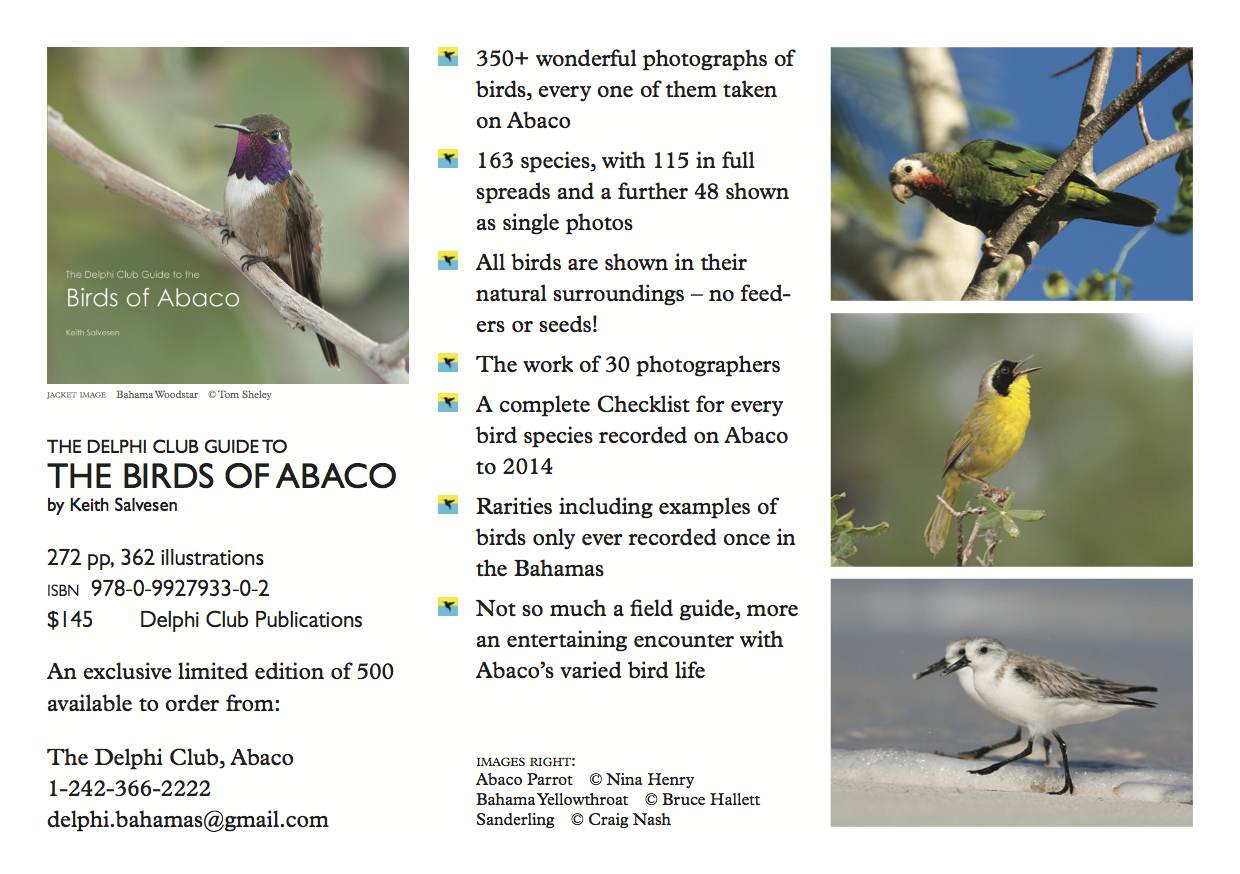
THE DELPHI CLUB GUIDE TO THE BIRDS OF ABACO

THE DELPHI CLUB GUIDE TO THE BIRDS OF ABACO

by

KEITH SALVESEN

Published 1 March 2014 by Delphi Club Publications

UNDER CONSTRUCTION!

Apologies to anyone who has strayed onto this new-born site. The hard hats are on and work is under way. Why not take a peek at the nine birds below while you are here!

JACKET GRAB JPGflyer 2

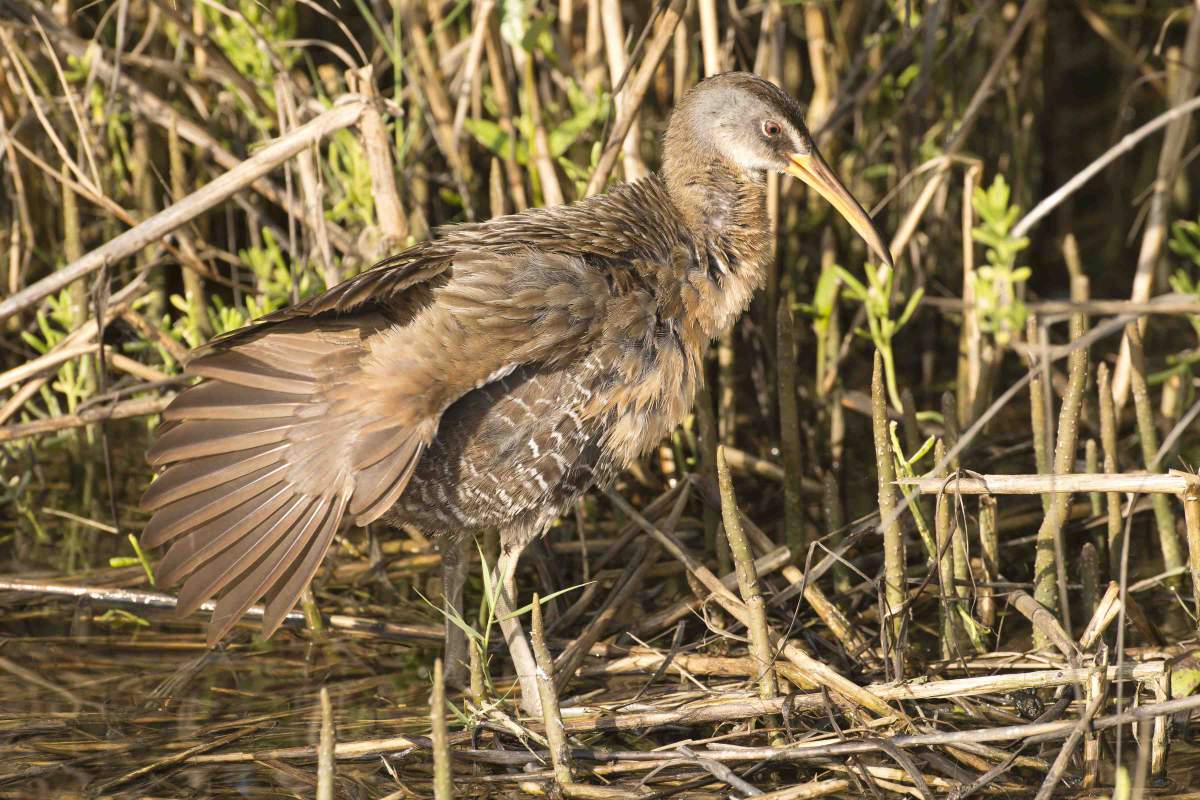
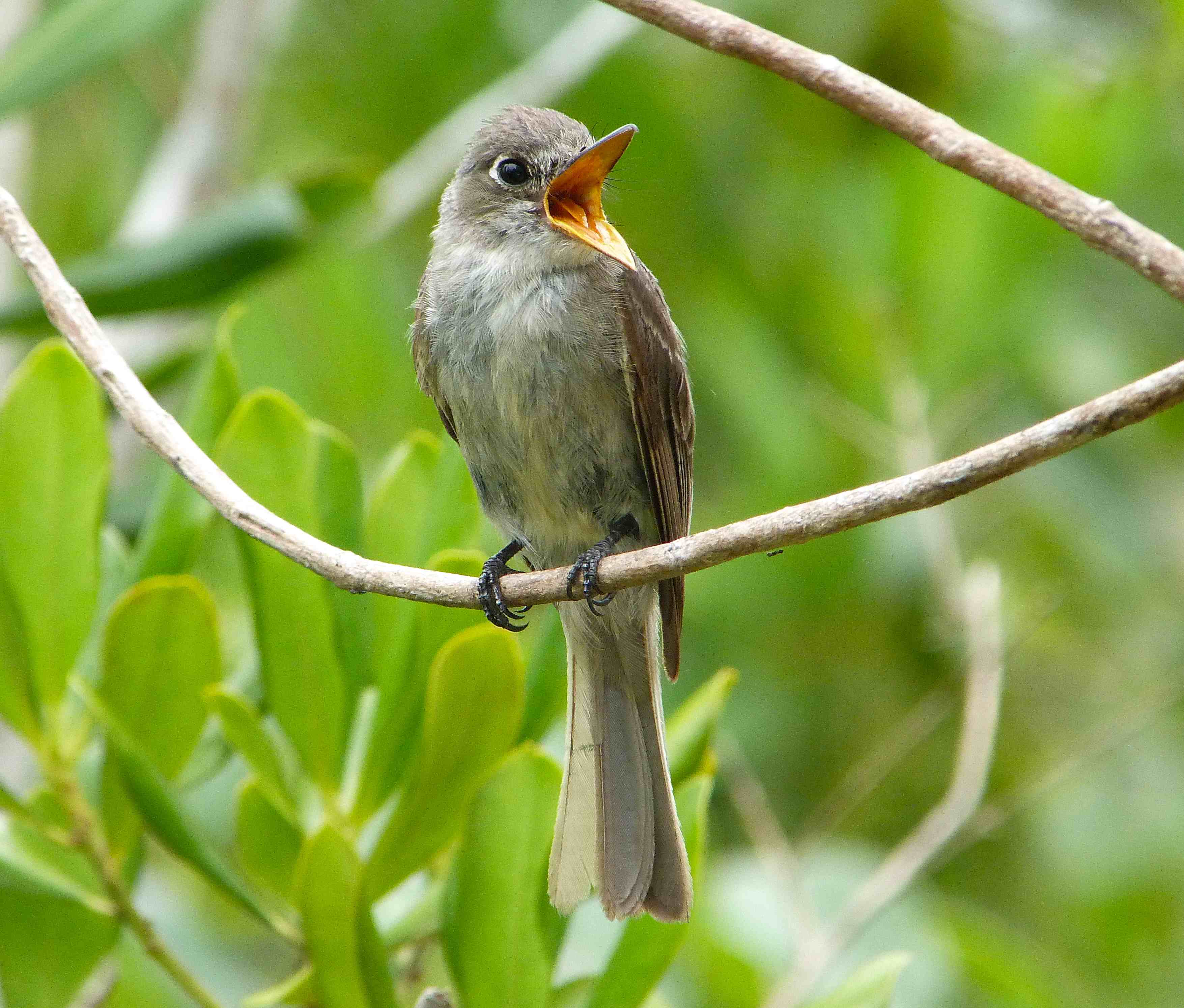
THE CONTRIBUTORS (click to enlarge)Spreads for Becky 1piping-plover-bh-img_1919cuban-emerald-delphi-abaco-3clapper-rail-abaco-bahamas-tom-sheleyCuban Pewee KS P1090034 copy 3least-tern_ach3672-copyamerican-oystercatchers-bh-img_2000-copy-2smooth-billed-ani-pair-gtGreat Egret grab Tom Sheley