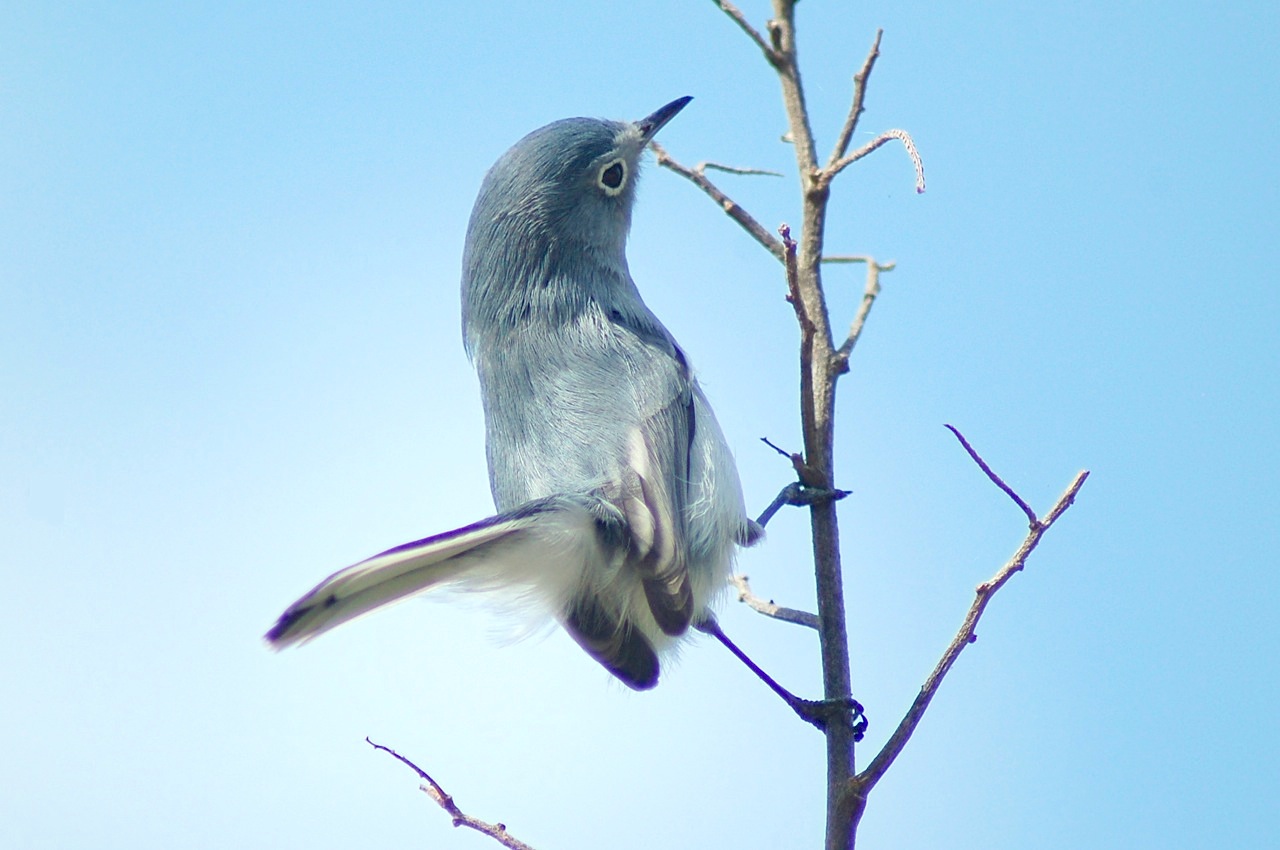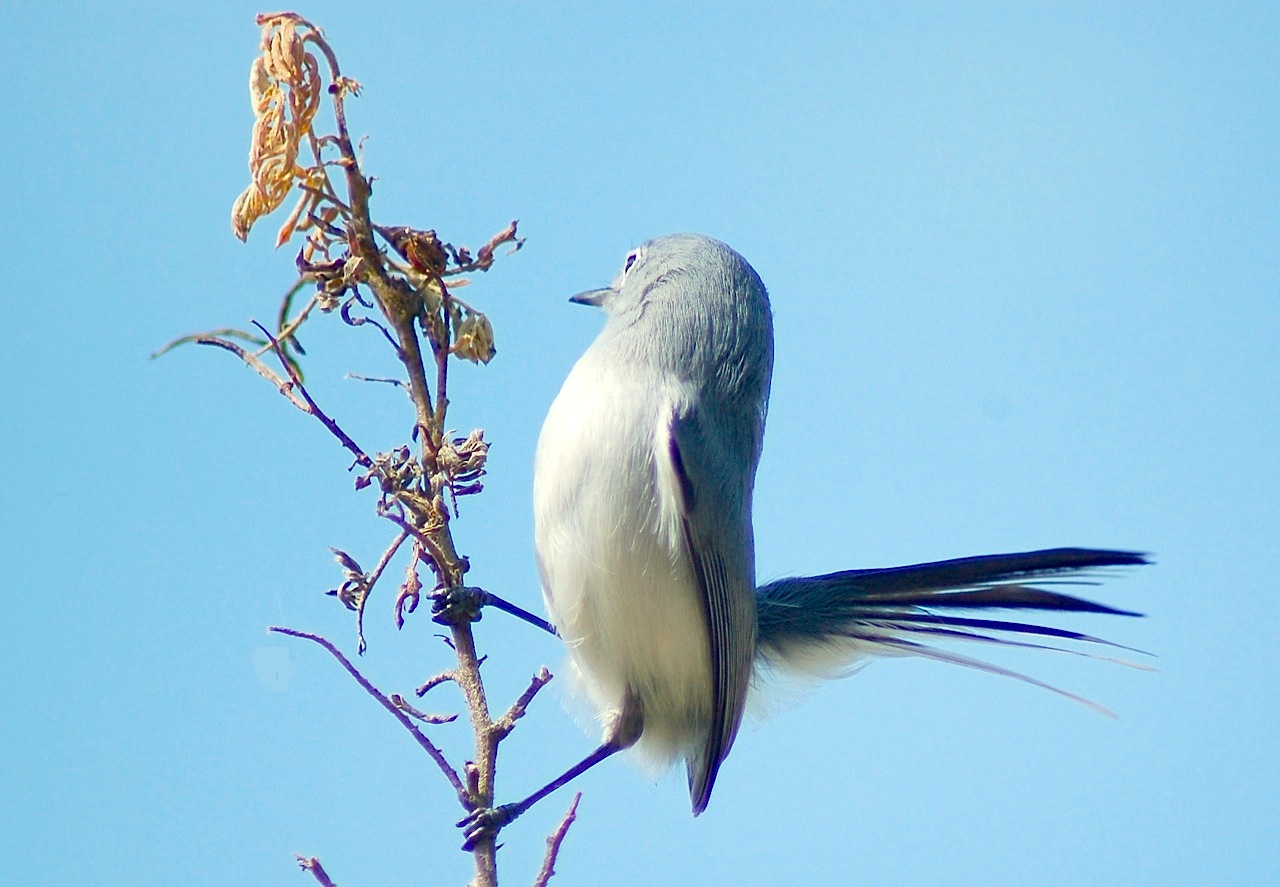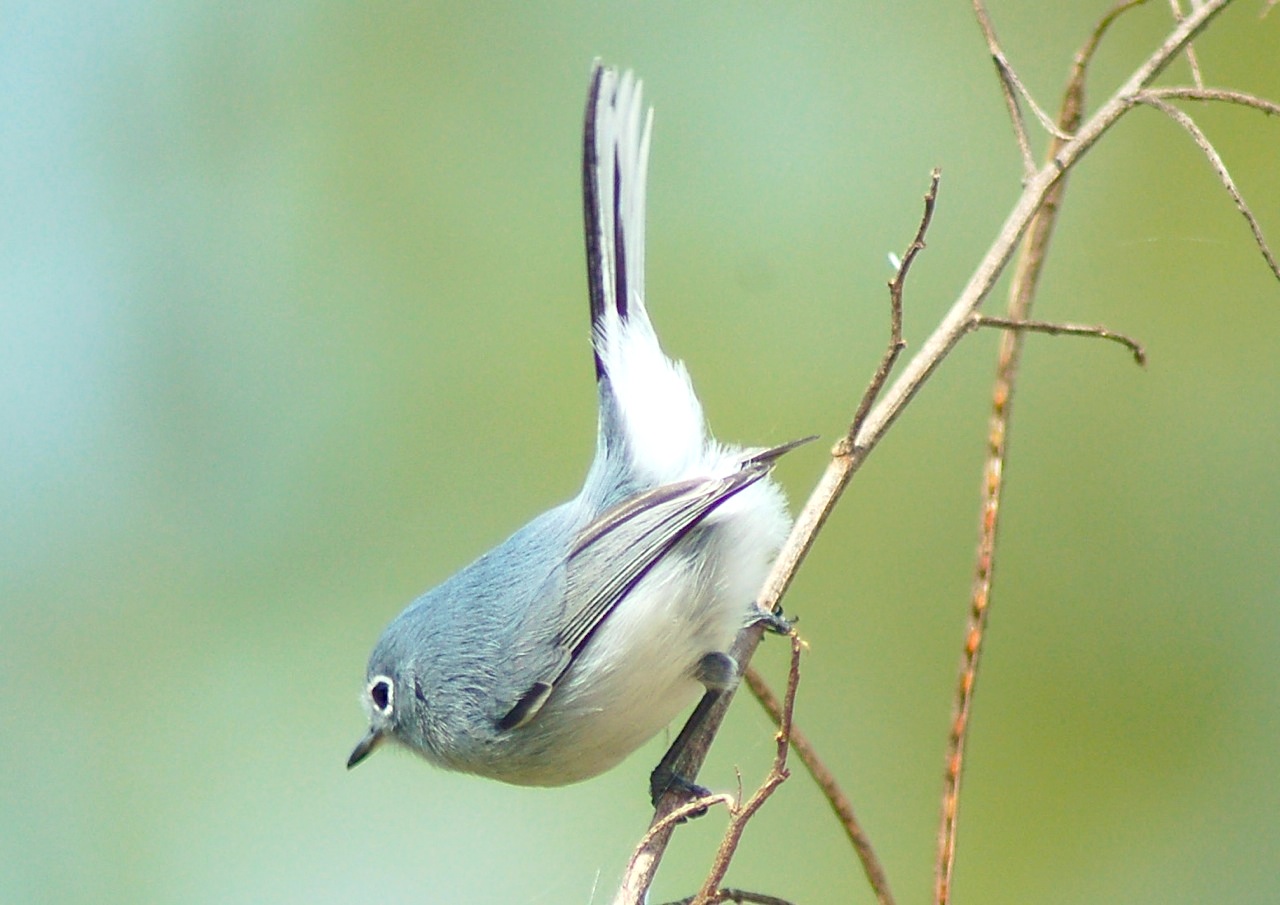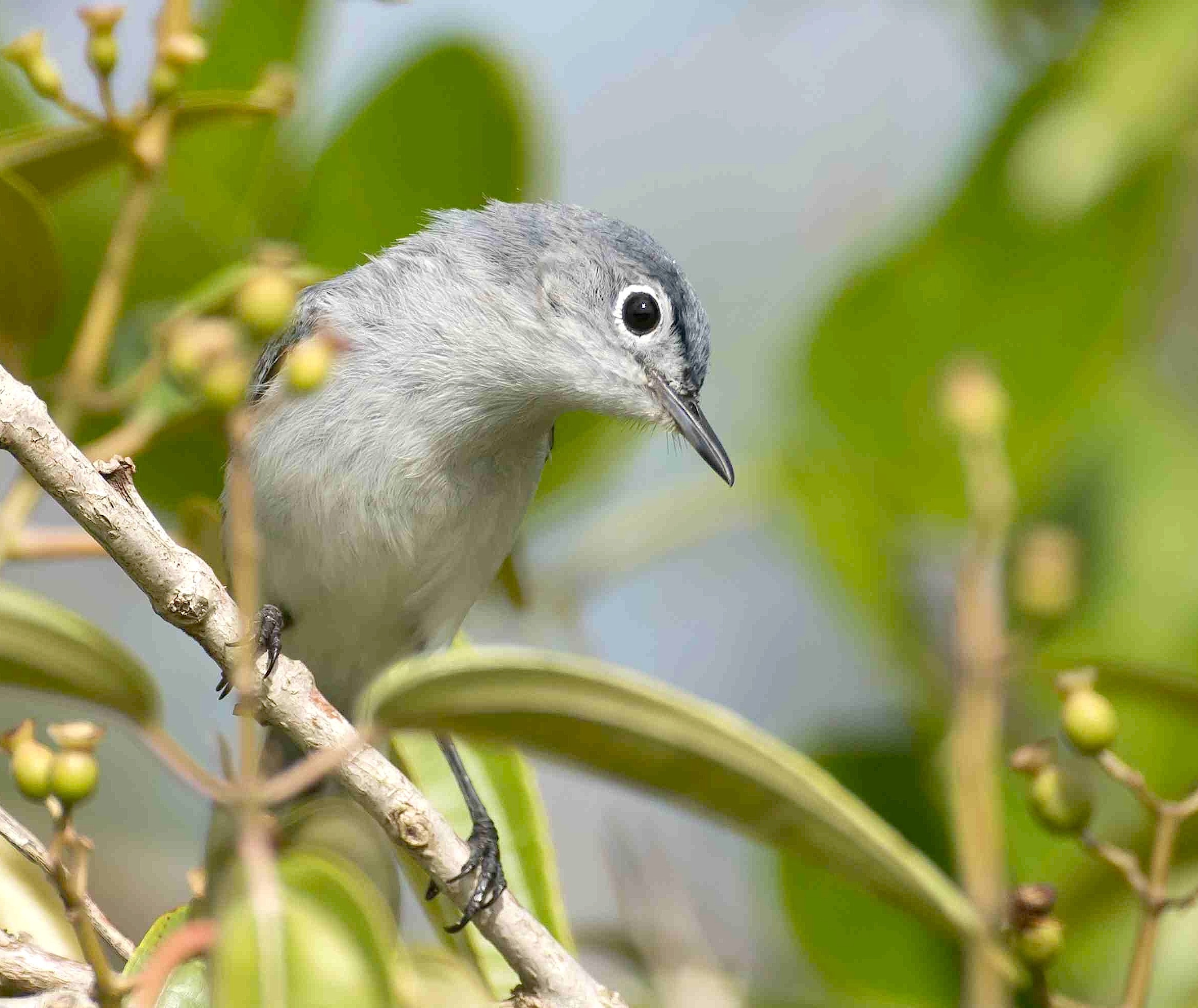
The MANGROVE CUCKOO (Coccyzus minor) is one of three cuckoo species found on Abaco and in the wider Bahamas. The yellow-billed cuckoo is another; and the noisy black smooth-billed anis are cuckoos by species though not in appearance.
You will notice that some of the birds shown have got fat insects in their beaks. Their preference is for caterpillars and grasshoppers, but they are happy to eat other insects, spiders, snails, lizards and (with a nod to an all-round healthy diet) fruit.
These cuckoos are shy birds and fairly hard to spot in the coppice unless they are on the move. You may see one flying across a track ahead of a vehicle, flashing its distinctive tail. Here are a couple of recordings of their call, described in various ways, for example as “gawk gawk gawk gawk” or “gauk gauk”. I’m not sure I hear it quite like that but I can’t think of a sensible way to write it out phonetically…
Credits: Bruce Hallett, Alex Hughes, Tom Sheley, Gerlinde Taurer and the late Tony Hepburn; Audio – Xeno-Canto & Cornell Lab. All photos taken on Abaco!
The Smooth-billed Ani (Crotophaga ani) – aka Cemetery Bird – is the third member of the cuckoo family found on Abaco, the others being the MANGROVE CUCKOOand theYELLOW-BILLED CUCKOO. You can (it’s voluntary) find out more about them in an earlier article HERE.
I have returned to these engagingly gregarious birds and their raucous ways because Paul Harding has recently captured a sequence of a small group of anis behaving so endearingly that they are irresistible. Not for them the oddly incompetent fluttering flight, nor the disorganised, unbalanced landing technique. It’s simply a matter of getting settled on a branch, and then making room for one more in the middle (or perhaps resisting it…).
There were 4 on the branch…
Hey – make room for another one…
Budge up, guys, I mean C’mon…
Yay, I’m in… a bit squished but…
Um… guys, I can’t breathe…
That’s better… all settled now….
Let the racket begin!
Credits: all terrific pics, Paul Harding; sound files, Xeno Canto
A few years ago Black-faced Grassquits Tiaris bicolor were honoured by the American Ornithological Union with a classification change from emberizid to tanager. For the reasons that follow, the species regarded this both as scientific promotion and as merited status elevation. At the time I invited an authoritative Spokesquit to explain why.
*******************
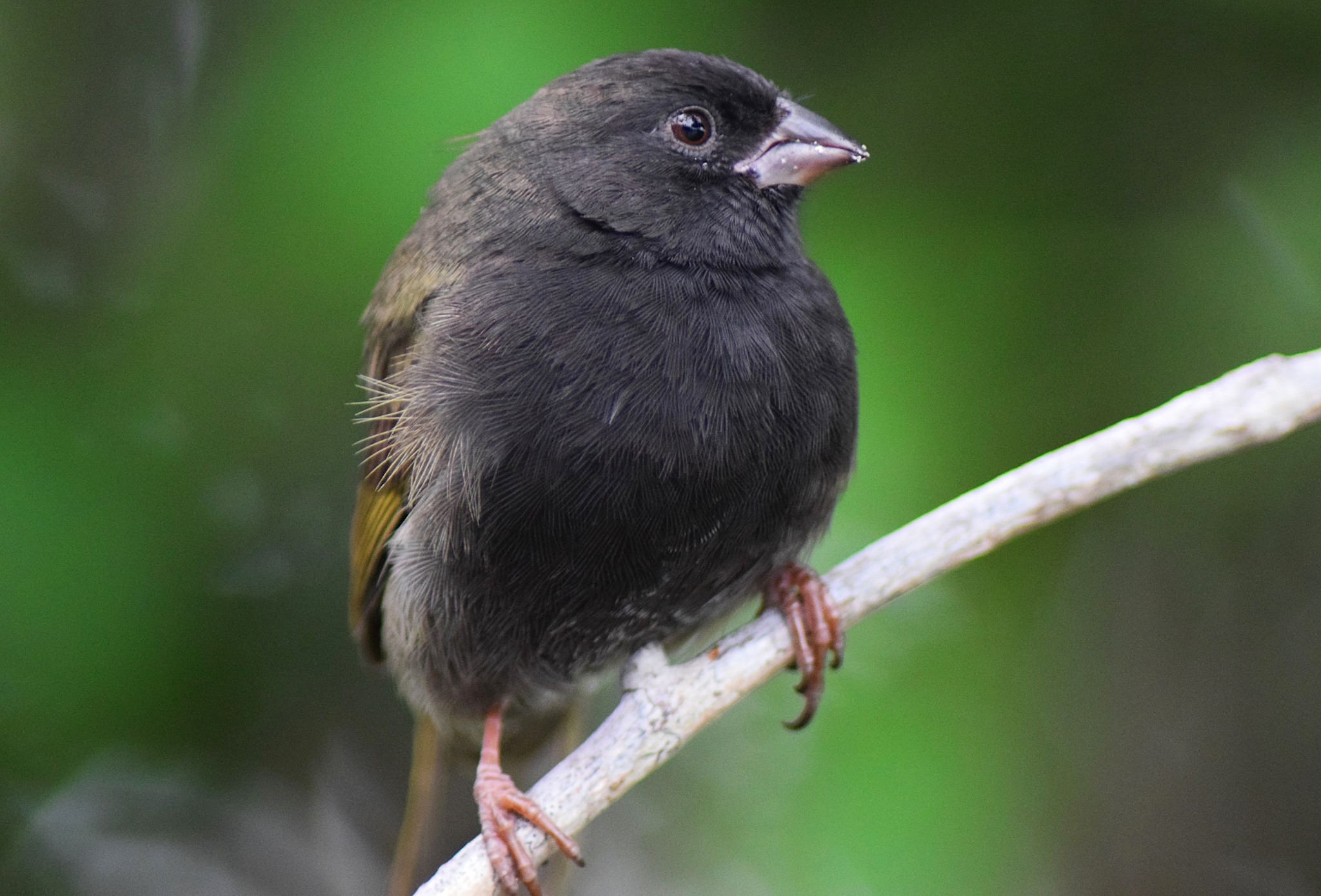
Hi, human friends, I’m a black-faced grassquit and I have a couple of observations to make on behalf of BFGs, if I may. First, we seem to be universally described by you as ‘common’, whereas we are actually quite refined in our behaviour. Secondly, the words most used to portray us are ‘dull’ and ‘drab’. And ‘stubby’. Well, excuse me… I – we – ask you to give us a second look. Maybe check out these images for a start.
Unsurprisingly we were very excited when the perceptive classifications committee of the American Ornithological Union gave us an upgrade. That’s the way we saw it anyway. For many years we were classified under the heading emberizidae.
We kept company with some buddies like the handsome Greater Antillean Bullfinches, but also with a lot of New World sparrows, with whom we (frankly) never felt entirely comfortable. Annoyingly chirpy, for a start.
And so we officially became a type of tanager. They even reckon (rather late in the day, in my view) that we are closely related toDarwin’s finches. So, we are “common”, huh? Now we get to be with other birds that are dome-nesters like us. And how about this – we’ll be in the same list as some really cool birds…
How’s this for a colourful gang to be joining: scarlet tanager, summer tanager, rose-breasted grosbeak, indigo bunting, painted bunting – these are our new cousins. BFGs “dull” and “drab”? I don’t think so.
6 UNDULL FACTS ABOUT BFGS
Make grassy dome-nests (like Bananaquits) and line them with soft grasses
Both sexes build the nest together
Both share egg-sitting duties and later chick-feeding & maintenance
Though quite gregarious by day, for some reason they tend to roost alone
They have a short ‘display’ flight with vibrating wings and a strange buzzing call
Otherwise, their flight is ‘weak, bouncy & fluttering’ (Whatbird assessment)
THE EVERYDAY TWITTERING SONG
THE DISPLAY BUZZING SONG
Photo Credits: Alex Hughes (1, 10); Tom Sheley (2, 3); Bruce Hallett (4, 9); Tom Reed (5, 11); Becky Marvil (6); Peter Mantle (7); Gerlinde Taurer (8); Keith Salvesen (12); Larry Towning (13). Other Credits: ABA, AOU, Whatbird? (sound files)
Abaco’s birding records compiled for over 20 years include 33 shorebird species. For a few, the islands and cays are a permanent residence; for many others they are winter quarters; some species are visitors transient in their migrations; a few are rare vagrants. The complete checklist of Abaco’s shorebirds is below, along with 3 links to specific posts.
I have divided the species into 3 categories: sandpipers & kin; plovers; and a catch-all ‘large shorebird’ group that includes one or two sandpipers. Of the 26 birds featured and shown in the main checklist below, 23 are ones you might reasonably hope or expect to encounter on Abaco, though some only if you are lucky or your field-craft is excellent. The others are the long-billed dowitcher, American avocet and Wilson’s phalarope (of which only one has ever been seen on Abaco, with a photo to prove it). Many of these are showcased in my book The Birds of Abaco.
The codes tell you, for any particular bird, when you may see it (P = permanent, WR = winter resident, TR = transient, V = vagrant); whether it breeds (B) on Abaco; and your chance of seeing it, graded from easy (1) to vanishingly unlikely (5).
Black-necked Stilt Himantopus mexicanus PR B 3
American Avocet Recurvirostra americana WR 4
American Oystercatcher Haematopus palliatus PR B 2
FIVE STARS: BAHAMAS ENDEMIC BIRDS (FOUR FROM ABACO)
Abaco is fortunate to be home to 4 of the 5 endemic Bahamas species. The fifth, the beautiful BAHAMA ORIOLE Icterus northropi, was found on both Abaco and Andros until the 1990s, when it sadly became extirpated from Abaco. Now found only on Andros, there are thought to be fewer than 300 Orioles left – a barely sustainable number. The species is unsurprisingly IUCN listed as critically endangered. Here’s a picture of one as a reminder of what Abaco is now missing…
Bahama Oriole
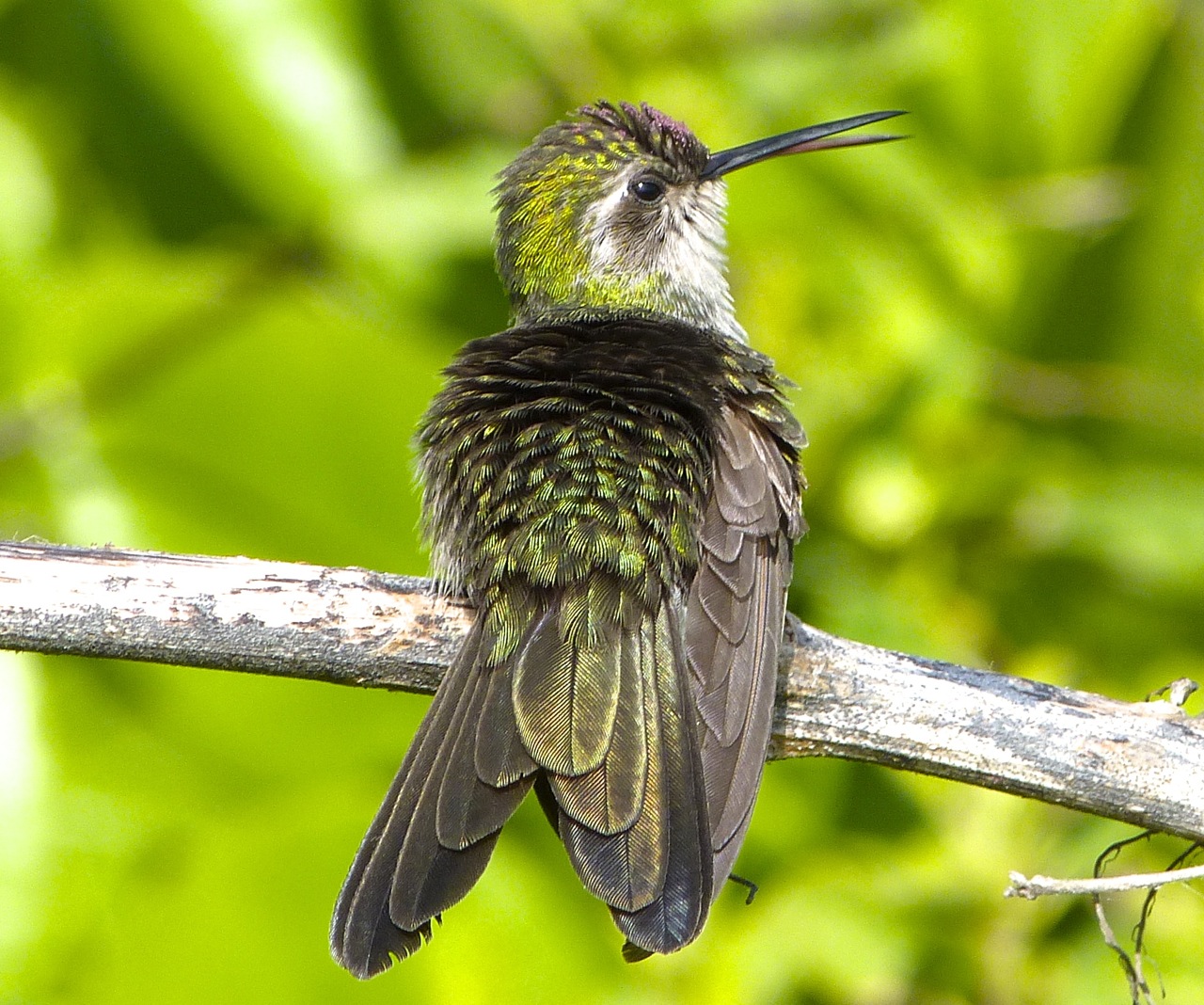
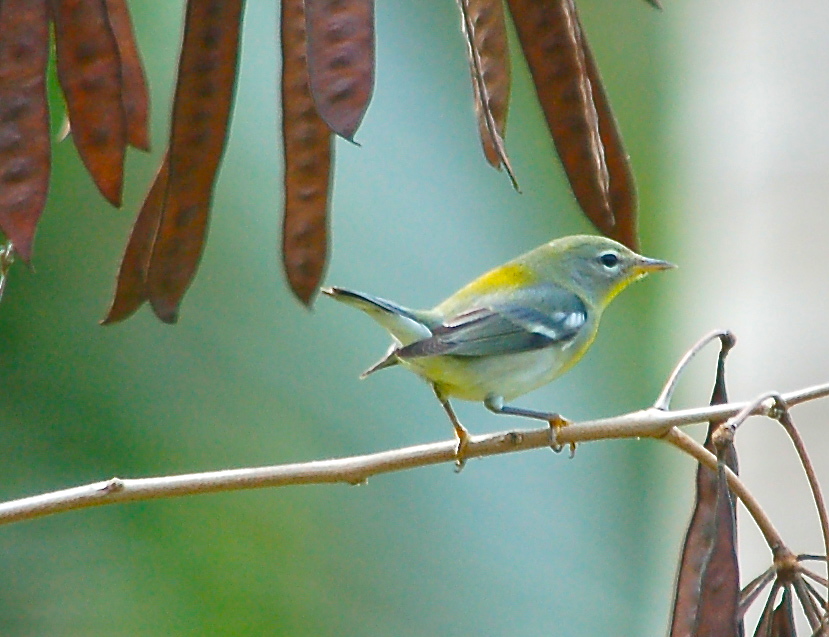
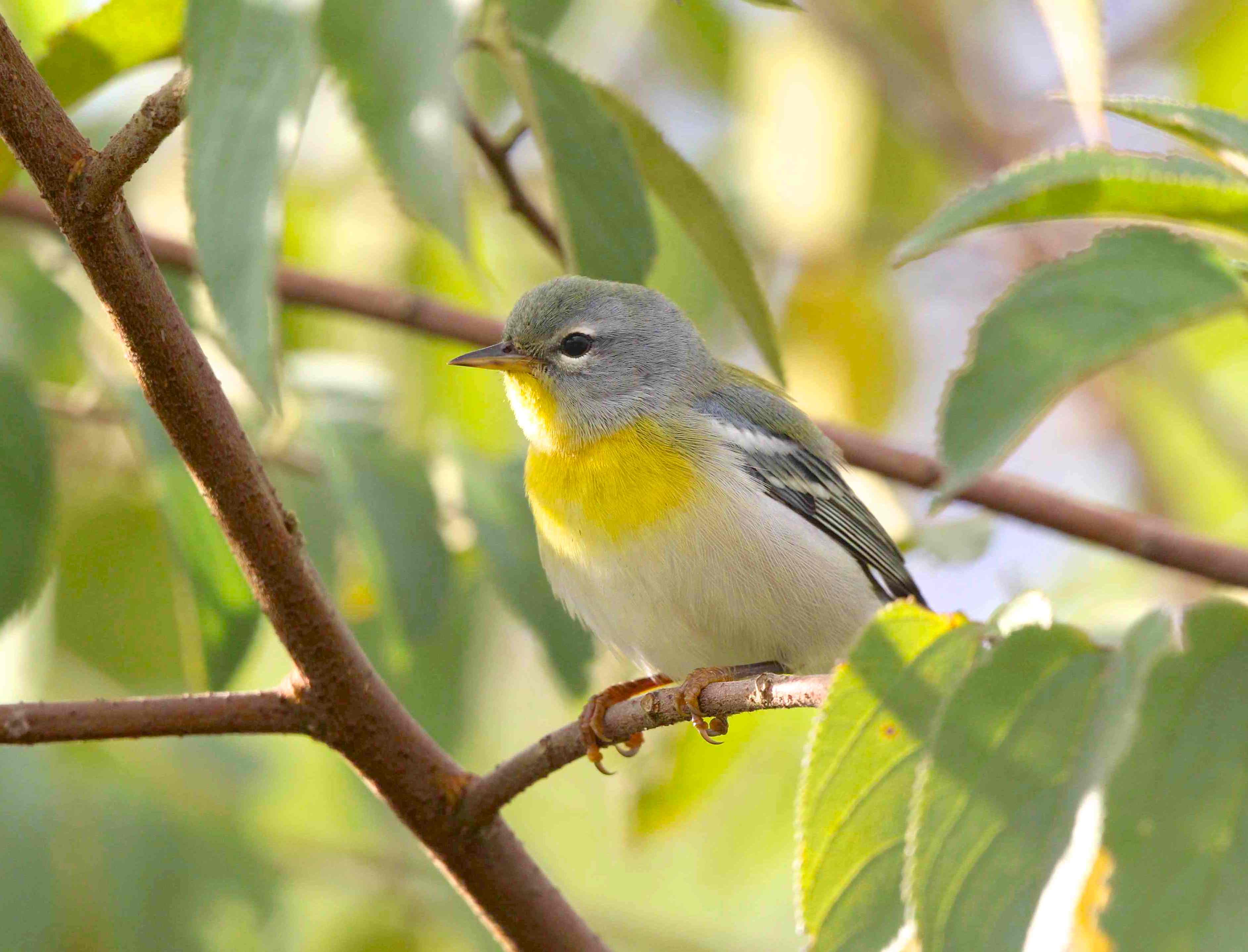
Abaco’s four endemic species are the tiny Bahama Woodstar hummingbird, the Bahama Yellowthroat, the Bahama Warbler (since 2011), and the Bahama Swallow. All are of course permanent breeding residents on Abaco and its outer Cays. None is exclusive to Abaco; all are relatively plentiful. The Woodstar is perhaps the hardest to find, not least because it competes territorially with the Cuban Emerald hummingbird. Even Woodstars can be found easily in some areas – Man-o-War Cay is a good place for them, for example. Here are some striking images of these four endemic bird species taken from the archives for “The Birds of Abaco” published last month.
BAHAMA WOODSTARCalliphlox evelynae
Bahama Woodstar (m) (Tom Sheley)
Bahama Woodstar (f) Tara Lavallee
BAHAMA YELLOWTHROAT Geothlypis rostrata
Bahama Yellowthroat (Tom Sheley)
Bahama Yellowthroat (Bruce Hallett)
BAHAMA WARBLERSetophaga flavescens
Bahama Warbler (Bruce Hallett)
Bahama Warbler (Woody Bracey)
BAHAMA SWALLOW Tachycineta cyaneoviridis
Bahama Swallow (Craig Nash)
Bahama Swallow (Erik Gauger)
“The Delphi Club Guide to the Birds of Abaco” was published as limited edition of 500 and has only been for sale for 8 weeks or so exclusively through the Delphi Club. Yesterday, we passed a happy milestone in that short time as the 250th copy was sold. Complimentary copies have also been donated to every school and relevant education department on Abaco to tie in with the excellent policy of teaching children from an early age the value of the natural world around them, the importance of its ecology, and the need for its conservation. The cover bird for the book was easy to choose – it just had to be a male Woodstar in all his glory with his splendid purple ‘gorget’.
Bahama Woodstar (m) Bruce Hallett
Image credits as shown; otherwise, ‘cover bird’ by Tom Sheley, Bahama Oriole – Andros Project / Wiki
Bananaquits (Coereba flaveola) are small, colourful, and delightful birds of the coppice and garden. Besides their obvious attractiveness, the birds have in recent years enjoyed an uniquity: the status of being the sole species in the family Coerebidae.
However this singular status has really been a kind of avian parking place due to past, present (and doubtless future) uncertainty of the right category for these birds. Like so many avian species these days, they are subject to the rigours and vagaries of continual reclassification by the ornithological powers-that-be.
Bananaquits are, broadly speaking, passerines – essentially birds that perch. The nominal ‘passer’ was specifically awarded to sparrows by BRISSON, a contemporary of Linnaeus. Recently, bananaquits have suffered mysterious migrations of their classification ranging from the generalised ‘passerine‘ to the vague incertae sedis (= ‘uncertain group‘) to uncomfortable inclusion with tanagers / emberizids.
The debate over the appropriate classification for this pretty little bird (of which there are many subspecies in the broad Caribbean region) – rumbles on. A new way to confuse the issue is the suggestion that the bananaquit should be split into 3 species. In some areas, I believe this has happened at least informally.
Elsewhere there are doubters, sceptics, and champions of other group inclusions. The most obvious beneficiaries of all this will be dedicated birders, who may end up with two extra species to add to their ‘Lifer’ lists. Personally I’d like to think that the birds themselves will stay ahead of the curve in their own category, maintaining the mystery of their precise status while humans argue about what to call them.
CREDITS: Keith Salvesen / Rolling Harbour (1); Gerlinde Taurer (2); Craig Nash (3, 7); Tom Sheley (4, 5); Erik Gauger (6). All birds photographed on Abaco, Bahamas
Bananaquit perched on yellow elder, the National flower of the Bahamas
Reduced to 18mb for 10 second loading (no noticeable loss of definition)
Below the screen BIRDS OF ABACO enlarges the screen; DOWNLOAD will do just that
The top bar contains all the usual ways to make adjustments to the contents
This is the penultimate version before printing, with a few crop marks etc
Please let me know if there are any problems with the download
The download is free and can be scrolled on-screen or saved in the usual way. Do share with family and friends. By all means use parts – eg the Checklist – to print for reference. It’s fine to print out a single complete copy for personal use only.
As mentioned in previous posts, I am asking those who choose to download the book to make a modest charitable donation to a local wildlife-related cause or to a local school or an organisation that inspires kids to get involved in the natural world around them.
KEITH SALVESEN
March 2024
rollingharbour.delphi@gmail.com
Thanks to all the many people who contributed to the book including 30 photographers who took brilliant photos; 3 Bahamas bird experts who contributed greatly to the composition and accuracy of the book; the superb printers Conti in Italy; Peter Mantle the inspiration and eminence grise; and my wife Sally whose publishing and editorial skills are second to none, and her patience limitless.
There are 8 vireo species recorded for Abaco. The most common is the ubiquitous Thick-billed Vireo Vireo crassirostris – the only permanent resident vireo – whose cheery chirp is part of the background of bird song heard daily all over the island. The only other species you are likely to encounter without going out of your way is the summer resident BLACK-WHISKERED VIREO Vireo altiloquus, which breeds on Abaco. The other 6 are the White-eyed, Yellow-throated, Blue-headed, Warbling, Philadelphia, and Red-eyed Vireo. Of these, the first 2 are quite rare winter residents; and the other 4 are considered to be transients.
The BWV’s song is similar to the Thick-billed Vireo, but (luckily) identifiably different. I’m not a great one for phonetic attempts at turning a bird call into a human sentence of the ‘Quick!-come-to-pick-up-a-brick’ and the ‘Skin-me-a-nice-bit-of-bonefish’ type. The Black-whiskered Vireo’s song has been described as sounding like ‘Whip, Tom Kelly’. But not to me.See what you make of it…
Brian Cox / Xeno-Canto
As with other vireo species, the BWV has a stout bill, a feature that helps to distinguish vireos from the many thin-billed warbler species on Abaco. The main signifiers are found on this bird’s head: the dark stripe right through the eye; the long white eyebrows; and the noticeable black lines – the ‘whiskers’ – on the sides of the neck. Other identification pointers are the pale underside with a yellow tinge to the flanks and undertail; and the red eyes (the red-eyed vireo, a very similar bird, lacks the whiskers).
Black-whiskered vireos feed mostly on insects in trees, bushes and undergrowth. They can sometimes be seen hovering while they forage. They also vary their diet with small quantities of berries. Here are two great shots of a mother BWV feeding a very large chick with a berry, followed by some vile insect.
Image Credits: Bruce Hallett, Tom Shelley, Charlie Skinner, Charmaine Albury, Erik Gauger