Unknown's avatar

BLACK-FACED GRASSQUITS ON ABACO

Black-faced Grassquit male, Abaco (Alex Hughes)

Until 2016 the black-faced grassquit Tiaris bicolor was officially classified with other passerine emberizidae (e.g. antillean bullfinches & sundry New World sparrows).  The classifications committee of the American Ornithological Union recently moved them to join tanager-type species, specifically the dome-nesting ones. Now they are considered to be closely related to Darwin’s finches; and they join the broader category that includes tanagers, grosbeaks, and buntings. 

All photographs taken on Abaco, as credited below

black-faced-grassquit-adult-male-eating-berry-abaco-bahamas-tom-sheleyblack-faced-grassquit-foraging-berry-2-abaco-bahamas-tom-sheleyBlack-faced Grassquit male, Abaco (Bruce Hallett)

Black-faced Grassquit, Abaco (Tom Reed)Black-faced Grassquit - Treasure Cay, Abaco (Becky Marvil)Black-faced Grassquit male, Abaco (Peter Mantle)Black-faced Grassquit male, Abaco (Gerlinde Taurer)Black-faced Grassquit female, Abaco (Bruce Hallett)Black-faced Grassquit male, Abaco (Alex Hughes)

THE BFG EVERYDAY TWITTERING SONG 

THE BFG DISPLAY BUZZING SONG 

Black-faced Grassquit male, Abaco (Tom Reed)Black-faced Grassquit male, Abaco (Keith Salvesen)

Credits: Alex Hughes (1, 10); Tom Sheley (2, 3); Bruce Hallett (4, 9); Tom Reed (5, 11); Becky Marvil (6); Peter Mantle (7); Gerlinde Taurer (8); Keith Salvesen (12); Whatbird? (sound files)

Unknown's avatar

AMERICAN KESTRELS ON ABACO

american-kestrel-f-abaco-bruce-hallett-img_1235-copy

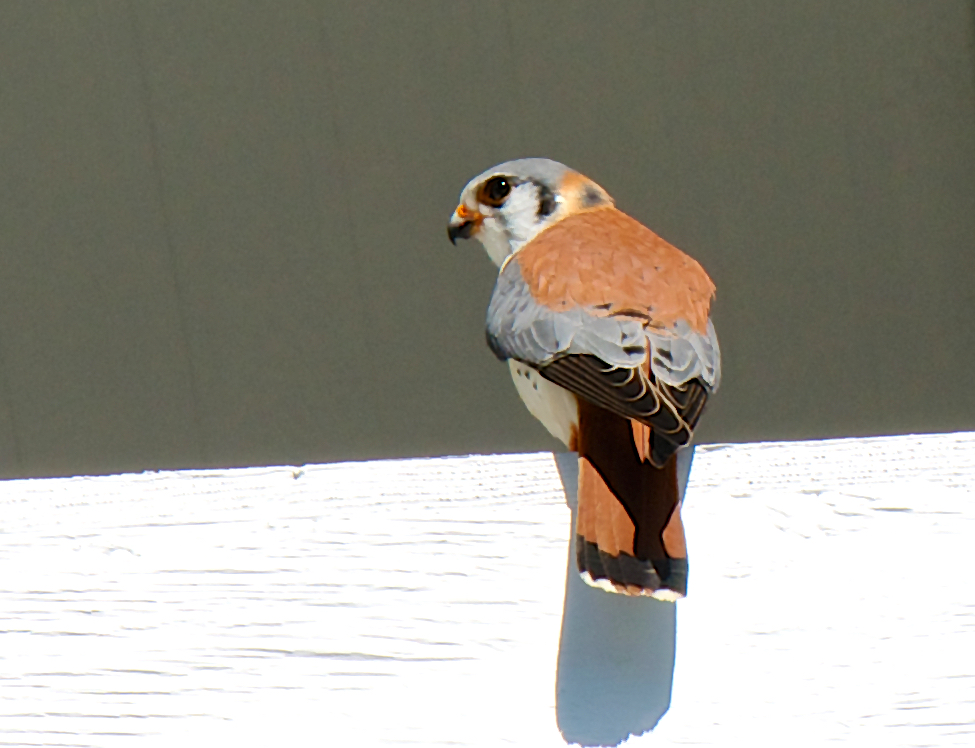
As many or most of the images show, utility wires (also posts) are a favourite perch for kestrels. They get an unimpeded view of the only thing that really matters in their lives – outside the breeding season, of course – PREY. 

american-kestrel-abaco-charles-skinneramerican-kestrel-abaco-2-peter-mantle

In my experience it’s quite rare to see AMKEs on the ground – unless they are in the act of ripping up some hapless rodent pinned to the earth. I was with photographer Tom Sheley when he captured this fine bird in the grass. 

american-kestrel-abaco-bahamas-tom-sheley-copy

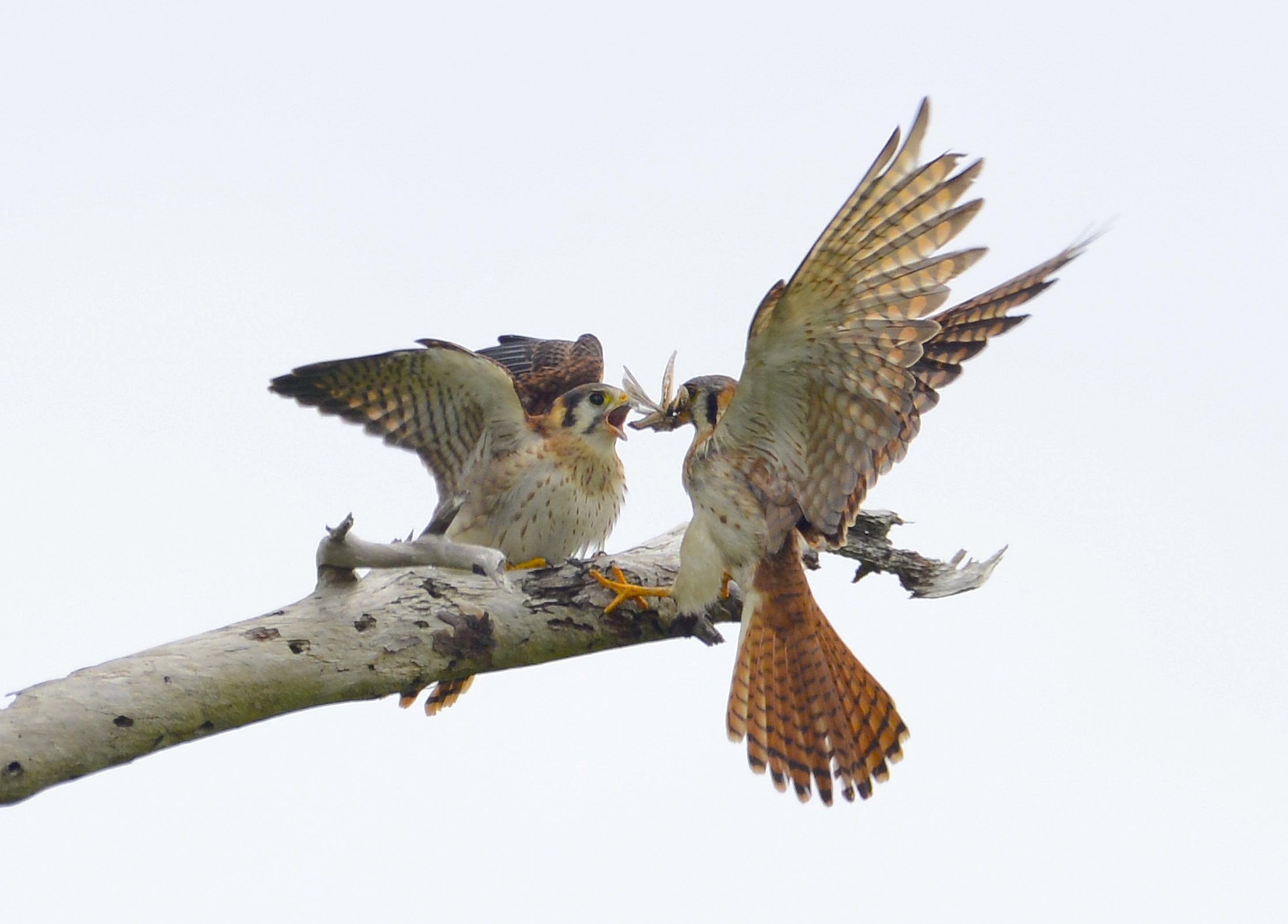
Tom also took this outstanding photo, on an overcast day, of a kestrel feeding its fledgeling a large insect.american-kestrel-feeding-fledgling-2-delphi-club-abaco-bahamas-tom-sheley

An AMKE at Treasure Cayamerican-kestrel-treasure-cay-abaco-bahamas-6-13-tom-sheley

A richly-coloured specimenAMERICAN KESTREL, Abaco -Nina Henry

A kestrel in streamlined flight, with its feet tucked tightly under its bodyamerican-kestrel-abaco-tom-reed

Bird on the Wireamerican-kestrel-abaco-peter-mantle-copyamerican-kestrel-abaco-1

Credits: Bruce Hallett (1, 11); Charles Skinner (2); Peter Mantle (3, 9); Tom Sheley 4, 5, 6); Nina Henry (7); Keith Salvesen (10); Tom Reed (8)

american-kestrel-f-abaco-bruce-hallett-img_1222

Unknown's avatar

THE OSPREY: “ABACO’S GOT TALONS”

Osprey, Abaco (Jim Todd 2)

“ABACO’S GOT TALONS”: THE OSPREY

The magnificent Osprey Pandion haliaetus is one of the world’s most successful raptors and can be found on every continent except Antarctica.

220px-Pandion_haliaetus_global_range.svg

Osprey, Abaco Bahamas (Tom Sheley)

On Abaco the Osprey is a permanent breeding resident, and while certainly not an ‘every day bird’, the chances of seeing one are reasonable. They are fairly often seen flying over the bay at Delphi, or out on the Marls. A pair recently nested at Sandy Point close to Nancy’s restaurant.

Ospreys, Abaco (Jim Todd)

There are few more exhilarating sights in the world of birds than an osprey swooping from a great height into the sea, emerging with a large fish held characteristically ‘fore and aft’ in its talons, and flying into the distance with heavy wing-beats. This wonderful close-up by wildlife photographer PHIL LANOUE shows an osprey that has actually managed to grab dinner for two…

osprey-flight-with-two-fish-03

This bird looks as if it is poised to dive onto some hapless fishOsprey in flight (Lake Wylie, S Carolina) - Gareth Rasberry

 10 PANDION POINTS TO PONDER

  • Ospreys are also known as sea hawks, fish hawks or fish eagles. They are almost exclusively fish-eating
  • A mature adult’s wingspan may reach 6 feet
  • They are the only members of their taxonomic family, genus and species
  • Ospreys & owls are the only raptors with reversible outer toes to grasp prey firmly
  • They can carry fish weighing more than 4 lbs
  • They dive into water feet first to grab its prey; their nostrils can close up to keep out water
  • Osprey-watch.org is a global site for mapping osprey nest locations / logging nesting observations
  • A New Jersey group has designed the optimum artificial nest platform, now an accepted standard
  • Ospreys usually mate for life
  • Osprey populations in many areas have been affected by pesticides and by egg trophy-hunters

PUTTING THE ‘PREY’ INTO ‘OSPREY’
Osprey, Florida (Danny Sauvageau)

A utility post makes a perfect perch for a bonefish snackOsprey, Abaco (Woody Bracey) copy

CHECK OUT THE TALON…Osprey (Danny Sauvageau)

The impressive wingspan of an Abaco ospreyOsprey, Abaco (Craig Nash) copy

An osprey far out on the Marls. I managed to get some distance shots of it despite having a fishing rod in my hand…Osprey - Abaco Marls 4Osprey - Abaco Marls 1Osprey - Abaco Marls 2Osprey - Abaco Marls 3

Osprey, by John James AudubonOsprey - John James Audubon

The Osprey is a prolific symbol in national, cultural and sporting themes, and has been depicted on Bahamas stamps. And quite right too.

Bahamas Wildlife Stamp Osprey copy

Wm Shakespeare Coriolanus

I think he [Coriolanus] will be to Rome
As is the osprey to the fish, who takes it
By sovereignty of nature… 

Credits: Jim Todd (1, 3), Tom Sheley (2), Phil Lanoue (4), Gareth Rasberry / Wiki (5), Danny Sauvageau (6, 8), Woody Bracey (7), Craig Nash (9), RH (Marls pics) – thanks for all image use permissions

Unknown's avatar

RED-WINGED BLACKBIRDS ON ABACO

Red-winged Blackbird Abaco Bahamas 5

“STRIKE THE POSE”: RED-WINGED BLACKBIRDS ON ABACO

The red-winged blackbird (Agelaius phoeniceus) has previously hopped around these pages in the context of a (my!) simple way to RECORD BIRDS using a smart-phone, trim the result and convert it into an mp3 (or even a ring-tone – I have a great Abaco parrot one to startle friends, family and indeed complete strangers). Now we move on to a more important topic, namely courtship and so forth. And boy, don’t male RWBs fancy themselves when trying to impress the laydeez…Red-winged Blackbird Abaco Bahamas 1We had taken a truck into backcountry between the pine forest and the Marls, with Tom and his impressive camo-camera with its 10 foot lens.Tom & Nighthawks

We found formerly cultivated fields – evidence of the defunct sugar cane industry – and then we came unexpectedly to a large expanse of open scrubland, with the track straggling through the middle.Truck

And there, on carefully chosen vantage points, was an array of RWBs. Red-winged Blackbird Abaco Bahamas 2

This bird was within range of my comparatively puny camera, and I watched as it arranged itself into various elegant poses in the late afternoon sun. All around were their ‘rusty door hinge’ calls, of which this is an example (in fact a female, recorded at Casaurina, hence the background sound of lapping waves).

Red-winged Blackbird Abaco Bahamas 4

These acres of open land were not far inland, and there was a slight breeze to ease the heat. This caused the occasional ruffling of feathers, and the need to spruce up…Red-winged Blackbird Abaco Bahamas 3

The purpose of all this was of course to impress the opposite sex (behaviour not confined to bird species). There were plenty of females around, also similarly perching on vantage points for similar display-with-view-to-dating-maybe-more reasons.Red-winged Blackbird Abaco Bahamas 6Red-winged Blackbird Abaco Bahamas 7

Unknown's avatar

NEOTROPIC CORMORANTS

Neotropic Cormorant, Treasure Cay, Abaco 1 (Tom Sheley)

“EMERALD EYES”: NEOTROPIC CORMORANTS ON ABACO

Neotropic or Olivaceous Cormorants Phalacrocorax brasilianus. Smaller cousins of the familiar double-crested cormorant, and occupying a quite different range. In the northern Bahamas they are considered to be uncommon summer residents whereas the big guys are common year-round residents. However the neotropics’ range has spread in the last decade and they may become more noticeable on Abaco. Right now, Abaco is pretty much the northern boundary.

images        images-1

In many ways, cormorants are taken rather for granted – ubiquitous black guardians of the coastal margins. But seen close-to, they have their glamour. This is especially true of the slimmer neotropics, with precious jewels for eyes and intricate plumage patterns that a mere fly-past cannot reveal.

Male and female neotropic cormorants: a caption contest in the making…Neotropic Cormorant, Abaco 3 (Bruce Hallett)

Neotropic Cormorant, Abaco 2 (Bruce Hallett)
Comingsbirds
Besides being smaller and lighter than the double-cresteds, these cormorants have longer tails. They are mainly fish-eaters both at sea, and inshore where ponds are to be found. They make brief dives to find food; in groups they may combine to beat the water with their wings to drive fish into the shallows where they can be picked off more easily.
Neotropic Cormorant, Abaco 1 (Bruce Hallett)
The eagle-eyed may have noticed that in some photos the birds seem to be standing on some kind of white pipe, as indeed they are. That is because a good bet for finding one in the summer is on the golf course pond in Treasure Cay, a most productive location for spotting water birds of many species. The pipes are to do with the watering arrangements. I think.Neotropic Cormorant, Treasure Cay, Abaco 2 (Tom Sheley)
As I have written elsewhere, “Call in at the Clubhouse for permission first. And if you hear a loud yell of ‘Fore’, it’s not someone counting birds. It’s time to duck…”
Raining? What, me worry?Neotropic Cormorant, Treasure Cay, Abaco 1 (Tom Sheley)Neotropic Cormorant, Treasure Cay, Abaco 3 (Tom Sheley)

Credits: Photos – Bruce Hallett, Tom Sheley, Lycaon; Infographics – Allaboutbirds, Comingsbirds

SONY DSC

Unknown's avatar

ANTILLEAN NIGHTHAWKS

Antillean Nighthawk, Abaco (Woody Bracey)

ANTILLEAN NIGHTHAWKS ON ABACO

“FAST FOOD ON THE WING”

The Antillean Nighthawk Chordeiles gundlachii has several local names such as ‘killakadick’ and ‘pi-di-mi-dix’, and variations on the theme – presumably onomatopoeic. The photos below illustrate these wonderful birds in flight and on the ground.

Paul Marvin / Xeno-Canto

Antillean Nighthawk in flight 3. Abaco Bahamas.6.13.Tom SheleyAntillean Nighthawk, Abaco (Sandy Walker)

The speed of flight and the jagging paths make the nighthawks extremely hard to photograph. It’s far easier when they are on the ground…

Antillean Nighthawk, Abaco Woody BraceyAntillean Nighthawk chick (aka pi-di-mi-dix) BahamasAntillean Nighthawk, Abaco (Susan Daughtrey)

Credits: Woody Bracey (1, 4); Tom Sheley (2); Sandy Walker (3); Birds Caribbean (5), Susan Daughtrey (6); Paul Marvin at Xeno-Canto for the sound recording

Unknown's avatar

BAHAMA WOODSTAR HUMMINGBIRDS

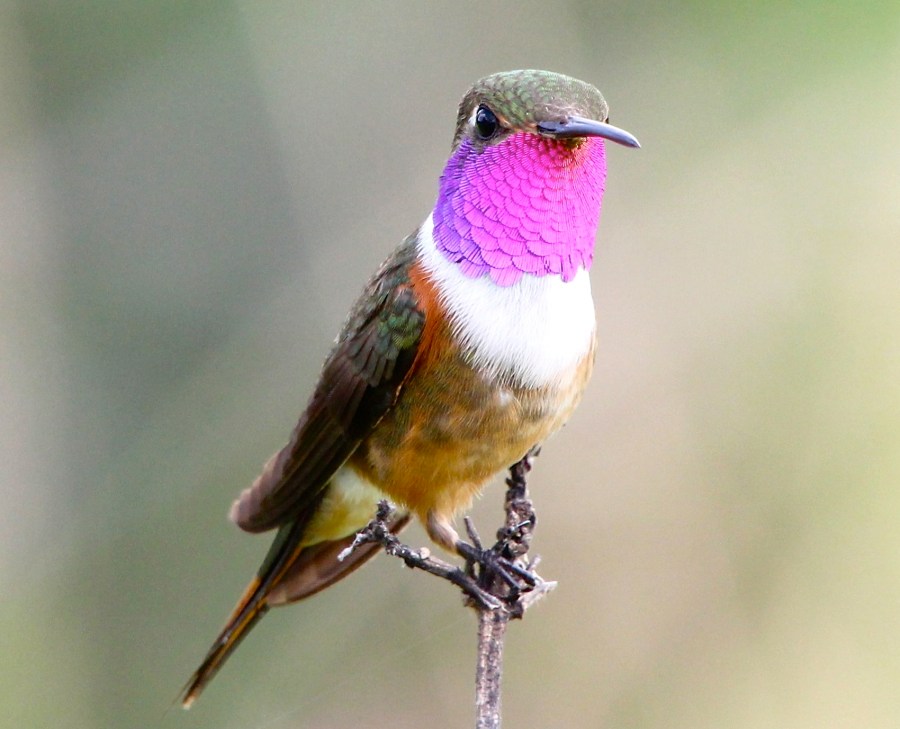
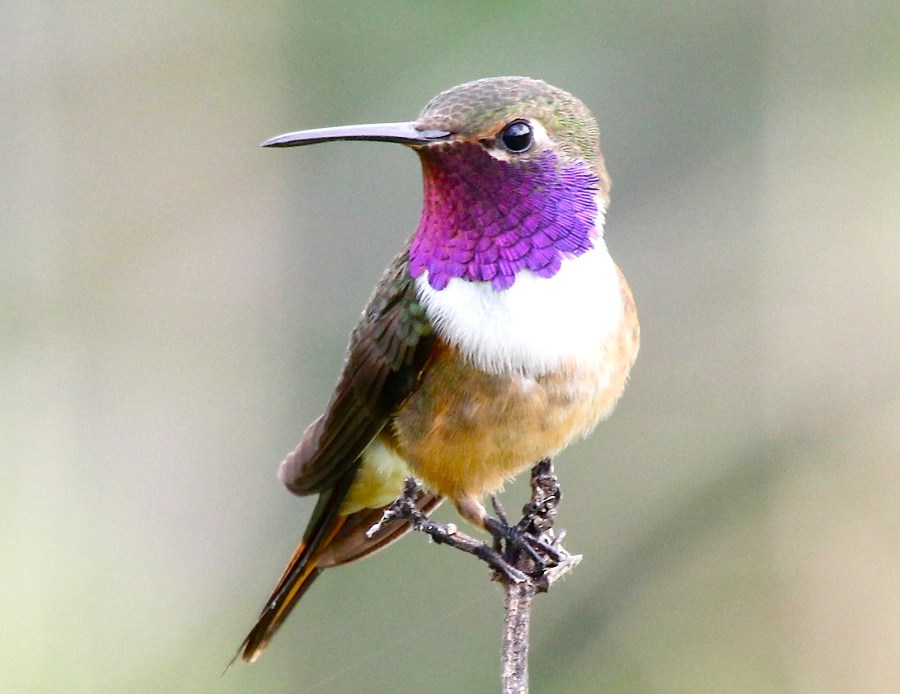
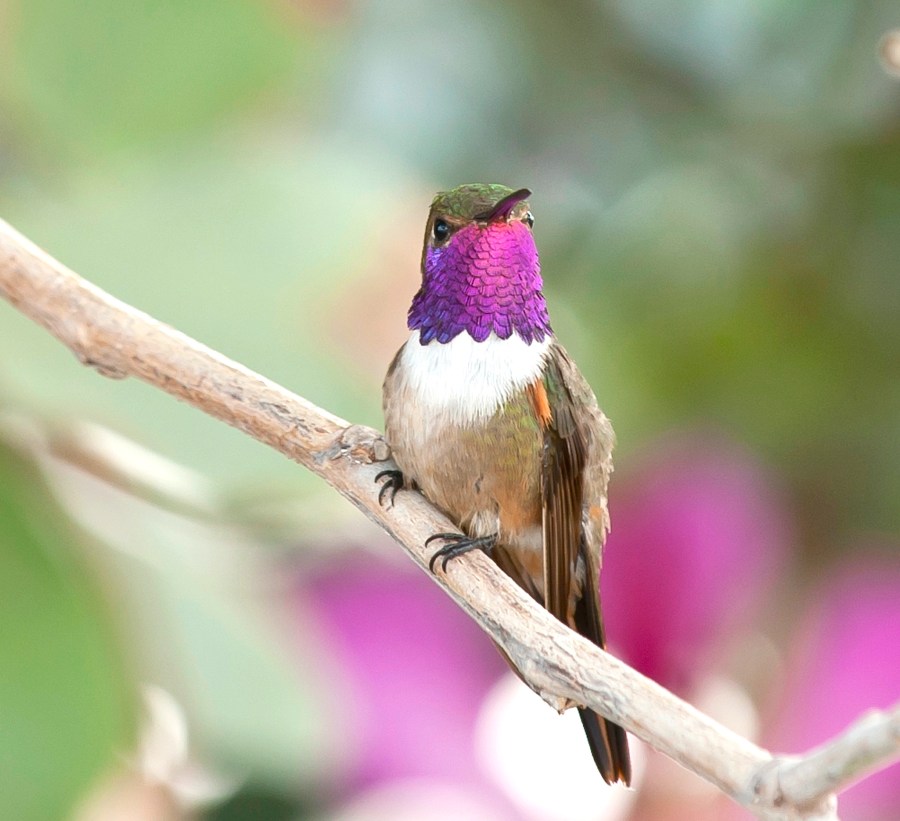
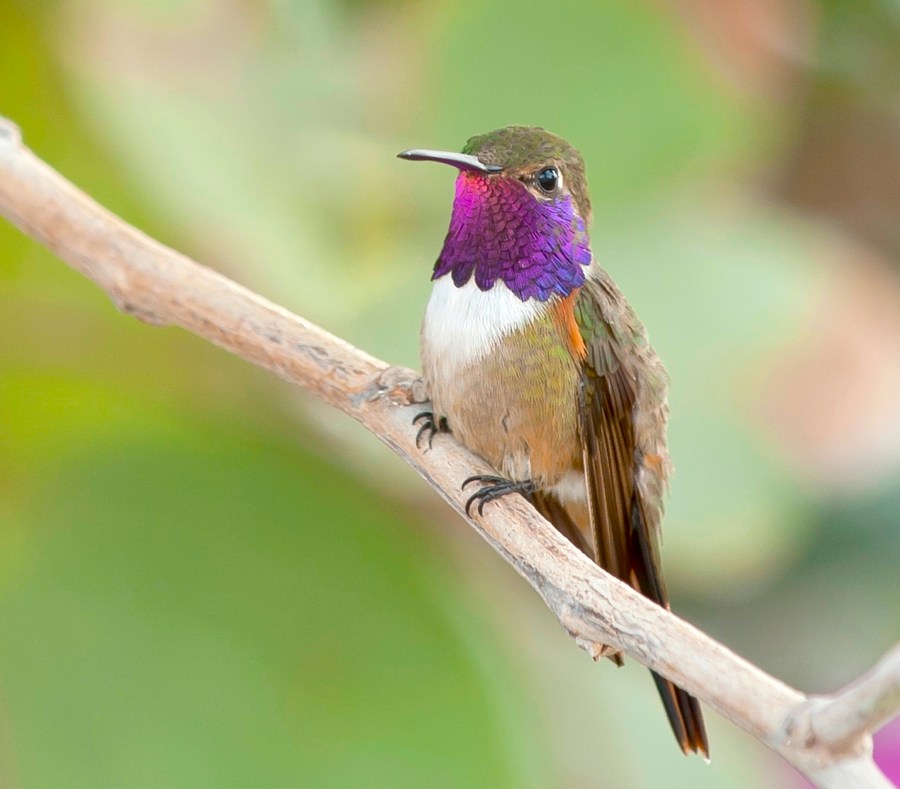
Bahama Woodstar (m), Abaco (Bruce Hallett)Bahama Woodstar (m), Abaco (Bruce Hallett)  Bahama Woodstar (m), Abaco (Tom Sheley) Bahama Woodstar (m), Abaco (Tom Sheley)

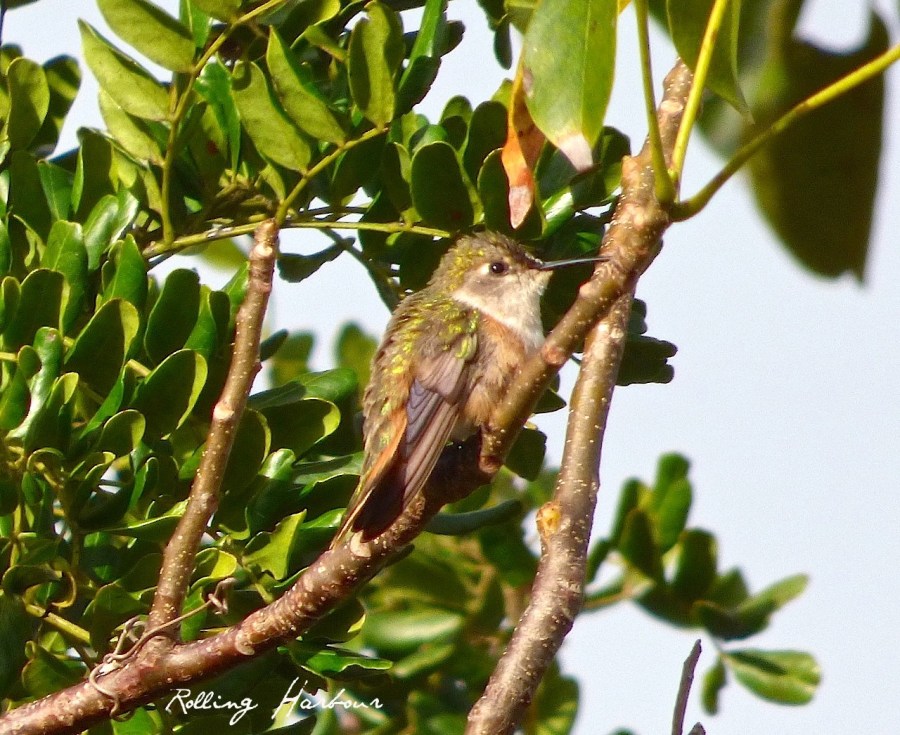
The above birds with the purple ‘gorgets’ are males; below are two females

Bahama Woodstar (f), Abaco (Tara Lavallee)

A Woodstar in the coppice at Delphi – I had about 5 seconds to get this (not very good) shot!Bahama Woodstar (f), Delphi, Abaco (Keith Salvesen)

Credits: Bruce Hallett (1, 2); Tom Sheley (3, 4); Tara Lavallee (5); Keith Salvesen (6)

Unknown's avatar

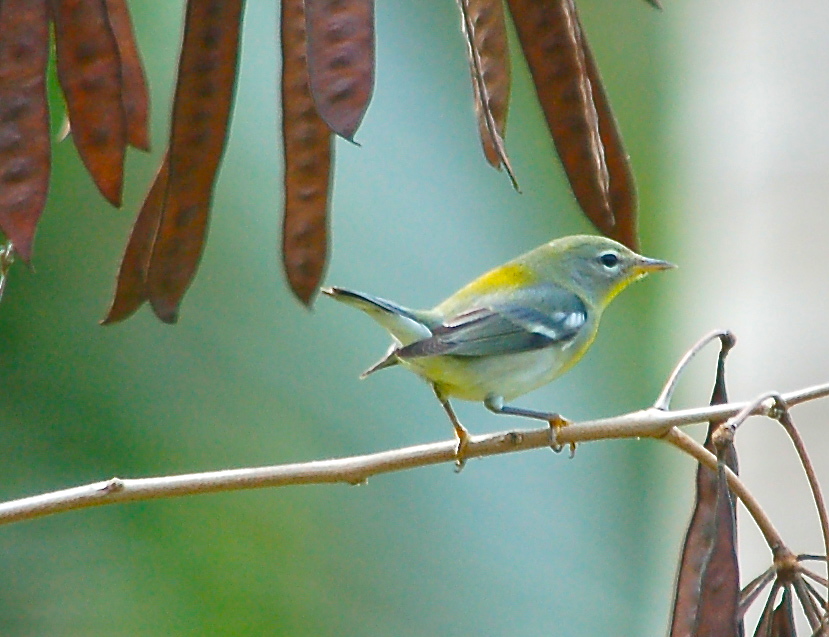
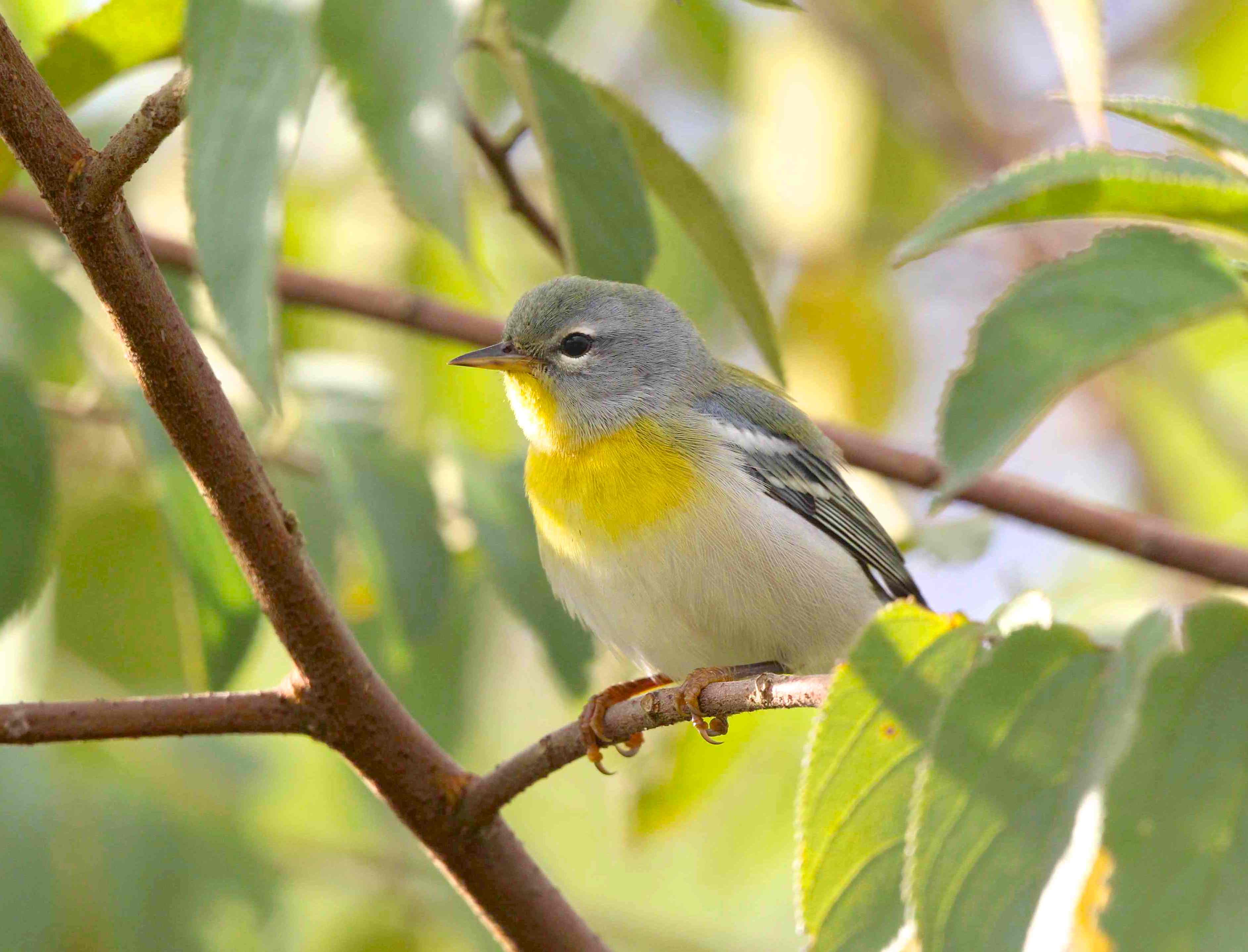
NORTHERN PARULA (WARBLER) ON ABACO, BAHAMAS

NORTHERN PARULA Setophaga americana 

220px-Parula_americana_map.svg

GALLERY

All birds photographed on Abaco, Bahamas and featured in BIRDS OF ABACO (PDF available)

Northern Parula BH (ad m)


Northern Parula WB P1001202 copy

BAHAMAS - N. Parula Warbler -  Oct 2010 sm

BAHAMAS - Northern Parula 2, 1-22-12, Nursery copy 2

Northern Parula BH (imm - 1st fall f) sm

Northern Parula CN clip 300 to jpg sm

© Keith Salvesen / Rolling Harbour / Birds of Abaco

Unknown's avatar

SANDPIPER SPECIES ON ABACO, BAHAMAS

Ruddy Turnstone winter plumage.Abaco Bahamas.2.13.Tom Sheley e

Ruddy Turnstone (winter plumage) Abaco (Tom Sheley)

ABACO’S SMALLER SANDPIPERS

Of the sandpiper species shown below, 9 of the 10 are ones that, at the right time and in the right place, you may see on Abaco. The tenth, the Wilson’s Phalarope, is the first specimen ever recorded for Abaco and as far as is known this is the only photo of it (props to Woody Bracey for this accomplished ‘get’). Again, some of the birds shown below were photographed on the Delphi Club beach.

SPOTTED SANDPIPER Actitis macularius   WR 1Spotted Sandpiper.Abaco Bahamas - Tom Sheley

SOLITARY SANDPIPER Tringa solitaria  WR 2Solitary Sandpiper, Petrie Island D G E Robertson Wiki

RUDDY TURNSTONE  Arenaria interpres  PR 2Ruddy Turnstone Abaco Bahamas. 2.12.Tom Sheley copy 2

RED KNOT Calidris canutus (non-breeding plumage)  WR 3Red Knot,  Green Turtle Cay, Abaco - Becky Marvil

SANDERLING  Calidris alba  WR 1Sanderling, Abaco -  Craig Nash

LEAST SANDPIPER  Calidris minutilla  WR 2Least Sandpiper, Delphi Club Beach, Abaco - Keith Salvesen

WHITE-RUMPED SANDPIPER  Calidris fuscicollis  TR 3White-rumped Sandpiper, Abaco - Tony Hepburn

SEMIPALMATED SANDPIPER   Calidris pusilla  TR 2Semipalmated Sandpiper, Abaco (juv) Bruce Hallett

WESTERN SANDPIPER  Calidris Mauri  TR 2Western Sandpiper, Abaco (Bruce Hallett)

WILSON’S PHALAROPE Phalaropus tricolor  V 4 Wilson's Phalarope, Abaco - Woody Bracey

Photo Credits: Tom Sheley, D Robertson, Becky Marvil, Craig Nash, RH, Tony Hepburn, Bruce Hallett, Woody Bracey