Unknown's avatar

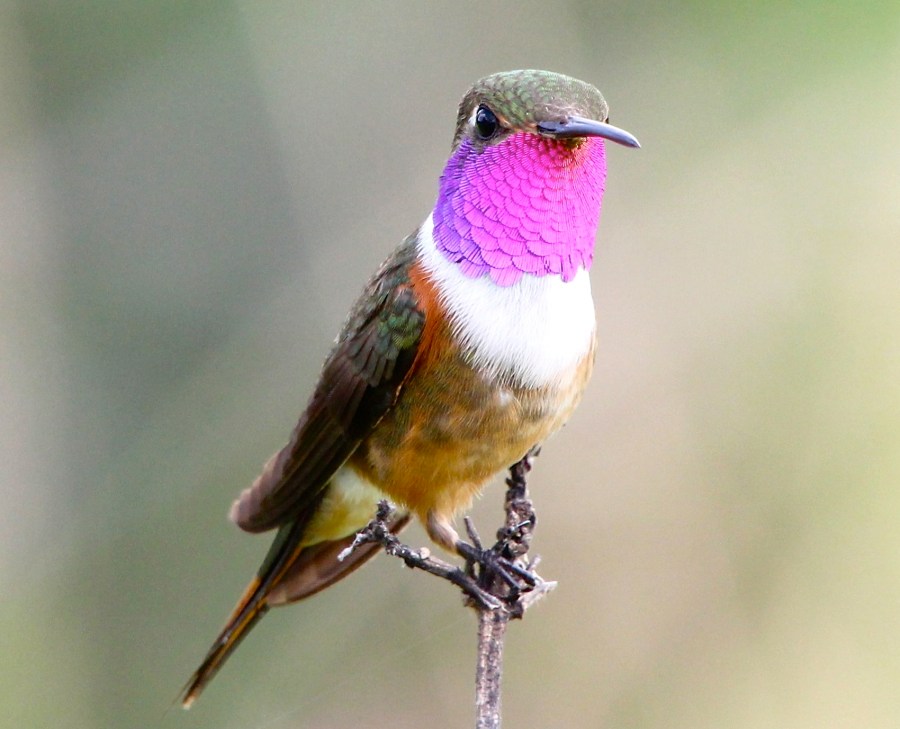
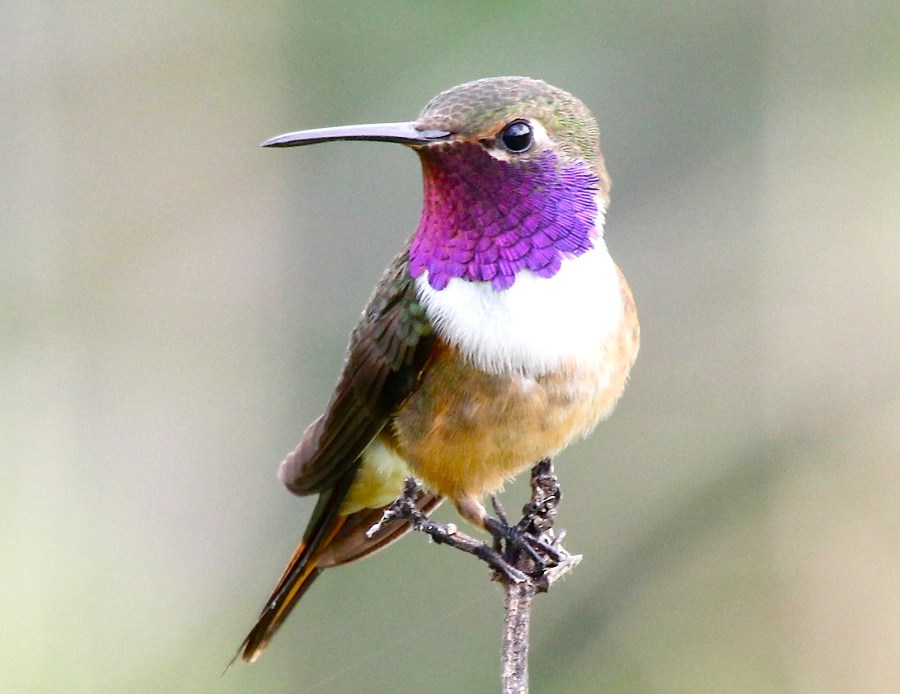
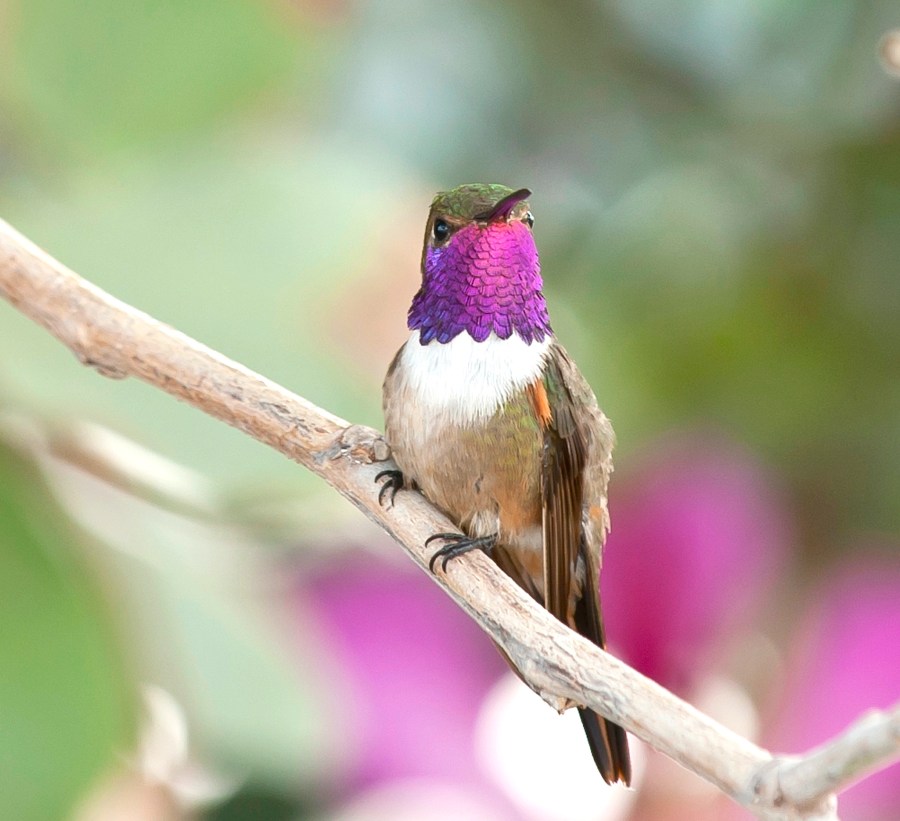
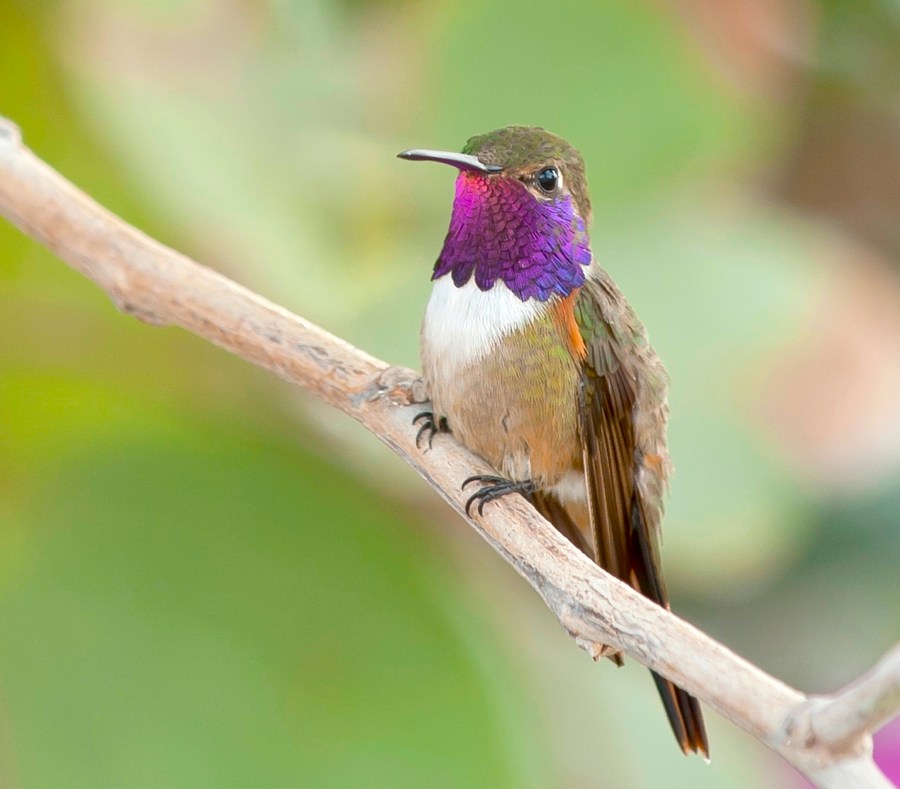
BAHAMA WOODSTAR HUMMINGBIRDS

Bahama Woodstar (m), Abaco (Bruce Hallett)Bahama Woodstar (m), Abaco (Bruce Hallett)  Bahama Woodstar (m), Abaco (Tom Sheley) Bahama Woodstar (m), Abaco (Tom Sheley)

The above birds with the purple ‘gorgets’ are males; below are two females

Bahama Woodstar (f), Abaco (Tara Lavallee)

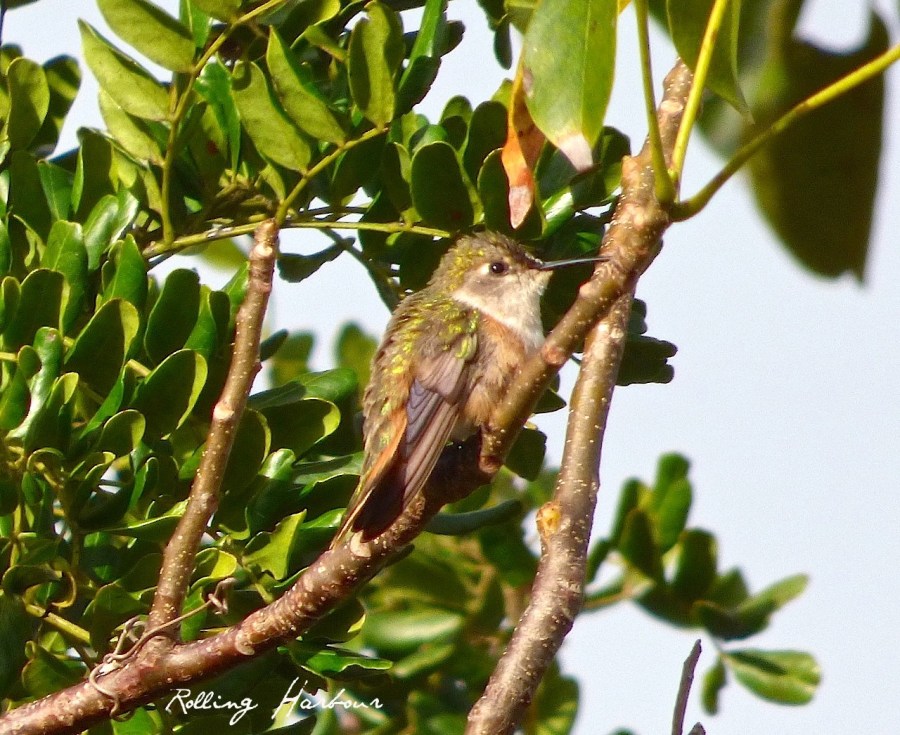
A Woodstar in the coppice at Delphi – I had about 5 seconds to get this (not very good) shot!Bahama Woodstar (f), Delphi, Abaco (Keith Salvesen)

Credits: Bruce Hallett (1, 2); Tom Sheley (3, 4); Tara Lavallee (5); Keith Salvesen (6)

Unknown's avatar

THE PIGEON & DOVE SPECIES OF ABACO

The Columbidae of Abaco: all are permanent breeding residentsPigeons : Doves Abaco

White-crowned PigeonWhite-crowned Pigeon, Abaco, Bahamas (Gerlinde Taurer)White-crowned Pigeon, Abaco (Alex Hughes)

White-winged doveWhite-winged Dove, Abaco Bahamas - Tom SheleyWhite-winged Dove, Abaco - Tony Hepburn

Eurasian Collared DoveCollared Dove, Abaco - Keith Salvesen / Rolling HarbourEurasian Collared Dove, Abaco (Bruce Hallett)

Common Ground Dove (Tobacco Dove)Common Ground Dove, Abaco 1 (Tom Sheley)Common Ground Dove, Abaco (Keith Salvesen)

Zenaida DoveZenaida Dove, Abaco (Bruce Hallett)Zenaida Dove, Abaco (Bruce Hallett)

Key West Quail-DoveKey West Quail Dove, Nassau, Woody BraceyKey West Quail-Dove, Elbow Cay, Abaco (Milton Harris) 1a

Rock PigeonRock Pigeon, Sandy Point, Abaco Bahamas.Tom Sheley 2bRock Pigeon NYC (keith Salvesen)

Mourning DoveMourning Dove, Abaco (Charles Skinner)

The birds shown above represent the 8 species found on Abaco. However, in New Providence, there is a beautiful pigeon that has not yet made its way over to Abaco and has yet to be introduced there. 

Pied Imperial Pigeon (Nassau)Pied Imperial Pigeon 1, Nassau (Woody Bracey)Pied Imperial Pigeon 2, Nassau (Woody Bracey).JPG

Photo credits: Gerlinde Taurer (1); Alex Hughes (2); Tom Sheley (3, 7, 13); Tony Hepburn (4); Keith Salvesen (5, 8, 14); Bruce Hallett (6, 9, 10); Woody Bracey (11, 16, 17); Milton Harris (12); Charles Skinner (15)

Unknown's avatar

BLACK AND WHITE WARBLER

B & W Warbler (f) BH IMG_0482 copy

The Black-and-White Warbler Mniotilta varia is a fairly common winter resident on Abaco. They are the only birds of the genus Mniotilta (“moss-picker” gr.). Unlike most warblers these birds behave rather like nuthatches, creeping along the trunks and branches of trees grubbing insects out of the bark. Pine trees are ideal for this. I remain rather dim about the 37 species of warbler on Abaco. A lot of them are small and yellow. But as soon as I saw one of these for the first time, I was very relieved. I knew exactly what it was – the bird that has been described as ‘a flying humbug’. 

Black & White Warbler.Cross Harbor.Abaco Bahamas.Tom SheleyB & W Warbler BH IMG_9587 copyBlack & White Warbler TR jpg

SUMMER     WINTER
220px-Mniotilta_varia_map.svg

Finally, this is a great short video of this little bird in action. Even if you only watch the first 30 seconds, you will be enchanted…

Image Credits: Bruce Hallett, Tom Shelley, Tom Reed. All are contributors to “The Delphi Club Guide to the Birds of Abaco” (Publ. March 2014)

Unknown's avatar

AMERICAN COOTS


American Coot - Bahamas - Great Abaco - Gerlinde Taurer

AMERICAN COOTS: “WHAT’S AFOOT?”

The American Coot Fulica americana is similar in many respects to the COMMON GALLINULE (MOORHEN). Except for the beak colour, of course. And as you will see below, the feet.

American Coot.Abaco Bahamas (Tom Sheley)

Most people would give an off-the-cuff description of a coot as ‘a black duck with a white beak’. They might add ‘…and a red eye’. Or ‘…and a dark band at the tip of the beak’. Or even ‘…I think there’s a white bit at the back end’. The header image pretty much sums up the classic coot.

American Coot 2 (Keith Salvesen)

However, coots seem to take up or reflect other colours at times. The eyes remain a piercing red and the beak is white, but the body can range from black through slate-grey to pale grey, depending on the light. There may even be a tinge of brown or even orange.

American Coot - Bahamas - Great Abaco - Gerlinde Taurer

I always enjoy seeing coots and moorhens somewhere where the water ‘works’ with them and creates a dramatic image. I took the first photo below recently on the JKO reservoir in Central Park, New York, where the water looked weirdly like molten metal and some trick of the light made the bird seem as if is was in a shallow depression in the water.

American Coot (Keith Salvesen)

Tom Sheley took the photo below on a ‘green water’ day at the pond on Treasure Cay Golf Course. I have recommended it before as an excellent birding site for waterbirds – coots, moorhens, Bahama pintails, northern pintails, neotropic cormorants, blue-winged teal, least grebes, pied-billed grebes, green herons – I’ve even seen a reclusive least bittern there. There are plenty of ‘land’ birds on the course too.

American Coot.Treasure Cay, Abaco Bahamas.6.13.Tom Sheley copy 2

If you go to TCGC for the birding, you just need to clock in at the clubhouse in case it’s a match day; and so they know who is out and about on the course. And, as I wrote elsewhere, if you hear a loud yell of “Fore”, it probably won’t be someone counting the coots. Time to… er… duck.

Q: “WHAT’S AFOOT?” *

I mentioned that one of the differences between coots and moorhens is their feet. Gerlinde Taurer’s photo of a coot taking off suggests that something powerful is happening below the water to assist the wings to propel the bird into flight.American Coot - Bahamas - Great Abaco - Gerlinde Taurer

A coot’s feet are quite unlike the pedal extremities of any other birdCoot, showing feet (Keith Salvesen)Coot Feet Close-up Keith Salvesen copy

Moorhen’s feet for comparison – completely different structurallymoorhen_feet-mehmet-kartuk-wikijpg-copy* A: “A funny-shaped thing on the end of your leg”. How we laughed (aged 7)

Credits: Gerlinde Taurer (1, 4, 7); Tom Sheley (2, 6); Keith Salvesen (3, 5, 8, 9); Mehemet Kartuk (wiki) 10


Unknown's avatar

BANANAQUITS ON ABACO

Bananaquit, Abaco - Bruce Hallett

BANANAQUITS ON ABACO: CHEERY VANQUISHERS OF GLOOM

I’d been planning a post about marine debris and its dire effects on the natural world. Some images I proposed to use are distressing, and some simply suggest how futile it is to try to prevent mankind chucking harmful and semi-permanent rubbish into the sea. Depressing. A gyre of upset. Add in new military interventions without limitation and suddenly I longed for something more cheerful. Checking through a folder of photos of Bananaquits helped to stave of the gloom, so I picked out a few images of this lovely small bird taken by 9 photographers. 

Bananaquit, Abaco - Craig NashBananaquit & palm, Delphi, Abaco, Bahamas 2 (Keith Salvesen)Bananaquit, Treasure Cay, Abaco - Becky MarvilBananaquit, Bahamas, Great Abaco - Gerlinde TaurerBananaquit, Abaco - Bruce HallettBananaquit, Abaco - Charlie Skinner Bananaquit, Abaco - Erik GaugerBananaquit, Abaco - Tom ReedBananaquit, Abaco - Peter Mantle

Credits: Bruce Hallett, Craig Nash, Keith Salvesen, Becky Marvil, Gerlinde Taurer, Charlie Skinner, Erik Gauger, Tom Reed, Peter Mantle

Unknown's avatar

CUBAN PEWEE

Cuban Pewee Abaco 8

CUBAN PEWEE: NATURE’S LEAST SCARY TYRANT

Pasted Graphic
image.aspxThe CUBAN PEWEE Contopus caribaeus bahamensis, also known as the Crescent-eyed Pewee (see photos for details), is a tyrant. At 6″ long , the smallest tyrant you are likely to encounter in the Bahamas, but undoubtedly a member of the family Tyrranidae. These are the flycatchers, and include the larger LA SAGRA’S FLYCATCHER and the still larger Loggerhead and Gray Kingbirds. The Cuban Pewee is permanently resident on Abaco, and can be found in both pine woods and coppice. When returning to its perch after a flycatching sortie, this bird gives a characteristic flick of the tail.

The little bird below was in the edge of the coppice bordering the long sandy beach at Casuarina. Bruce Hallett, in his essential book  ‘Birds of the West Indies…’ notes that Cuban Pewees are ‘usually approachable’, so I decided to test this out. I was about 20 feet from the bird when I first saw it. By sliding one foot forward in the sand and pausing before moving the other foot, I got to within 5 feet of the bird, while it watched my approach with apparent indifference. Unlike some creatures, it did not seem discomfited by eye-contact. It responded when I made a faint clicking sound by rather sweetly putting its head on one side.  Then it began to fidget slightly – possibly feeling camera-shy. So I shuffled slowly back so as not to disturb it in its own territory.

The close-ups at the end clearly show the tiny hooked tip at the end of the upper beak – I imagine this somehow relates to the business of catching flies. Like other flycatchers, the Cuban Pewee has very distinctive whiskers around the base of the beak – again I presume this assists with feeding in some way, perhaps helping to sense the approach of an insect. Any expert views welcome via the comment box.

Cuban Pewee Abaco 1Cuban Pewee Abaco 7Cuban Pewee Abaco 6 Cuban Pewee Abaco 5 Cuban Pewee Abaco 4Cuban Pewee Abaco 9 Cuban Pewee Abaco 10It’s occasionally tempting to anthropomorphise such close encounters in terms of imputed human / creature empathy. Much best to resist that. But as I withdrew, leaving this little  bird undisturbed on its branch, I did experience a strange feeling of… [I must interrupt myself here. I’m a lawyer, so that’s quite enough of that sort of nonsense]

Unknown's avatar

SNOWY EGRETS ON ABACO

Snow Egret in Flight (Wiki)

‘REMARKABLE FEET’: SNOWY EGRETS ON ABACO

SNOWY EGRETS (Egretta thula) are small white herons of the Americas, similar to the European Little Egret. The first thing you may notice about them is that they have remarkable bright yellow feet. This distinguishes these birds from all other egret and heron species.Snowy Egret (Tony Hepburn)

Young Snowy Egrets often have yellow markings higher up on their legs.Snowy Egret, Gilpin Pond Abaco (Sandy walker)

The feet are so bright that they are often visible underwater.Snowy Egret, Abaco (Woody Bracey)

Snowy Egrets eat fish, crustaceans, insects and small reptiles. They have 3 main foraging tactics: (1) Standing still in or on the edge of water to ambush prey (2) Stalking prey in shallow water, often running or shuffling their feet to flush out prey  (3) “Dip-fishing” by flying low over water.

Snowy Egret (Wiki)

In breeding season, Snowy Egrets grow beautiful plumes – “bridal plumage”. At one time these were in great demand as adornments for women’s hats (as with flamingos, parrots and many other decorative species). This reduced the population of the birds to dangerously low levels, from which they have now recovered. Their IUCN rating is now ‘Least Concern’.

Snowy_Egret_-_full_breeding_plumage-1 wiki

Contemplating the next meal… one of Sandy Walker’s excellent Abaco photos taken this winterSnowy Egret, Abaco (Sandy Walker)Photo Credits: Sandy Walker, Woody Bracey, Tony Hepburn, Wiki

Unknown's avatar

REDDISH EGRET ON ABACO (1): HUNTER IN BREEDING COLOURS

Reddish Egret,  Abaco, Bahamas (Keith Salvesen)

“HANDSOME BIRD, BLUE EYES, LIKES FISH, SEEKS MATE…”

REDDISH EGRET ON ABACO (1)

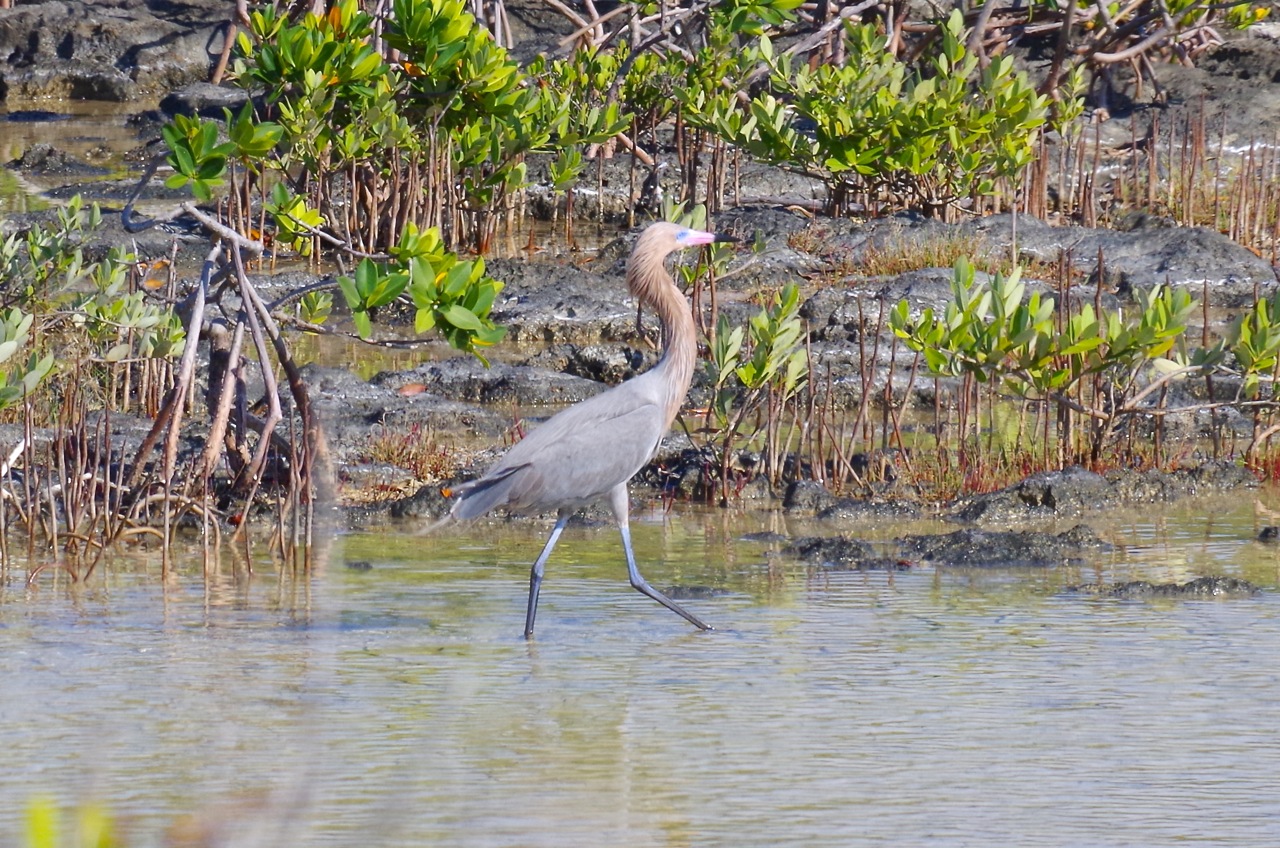
Reddish Egrets come in two colour schemes, reddish and pure white; and both are available on Abaco. ID hint – among the 10 heron and egret species found on Abaco, these are the only ones with a black tip to the beak. In March, these birds are thinking about fish. They do that every day of the year. But they are also thinking about finding a mate. The colouring of the males intensifies, and in particular the greyish-pinkish base of its beak turns a bright ‘hi babe, how are you doing’ pink. The male RE in this post is resplendent in his breeding plumage. We encountered this RE at Crossing Rocks in the brackish pond area on the opposite side of the highway to the bonefishing jetty. This in an excellent place to check out for herons, egrets and other wading birds such as yellowlegs. The island is at its thinnest point here, with the hard dry land over which the highway passes just a few yards across. On either side it’s basically water, mangroves, and other wetland plants. Reddish Egret,  Abaco, Bahamas (Keith Salvesen)The RE noticed us at the edge of the pond and put on a little display. This is unlikely to have been a ‘come on’… Conceivably, he wanted to show off his distinctive ‘bad hair day’ styling. More plausibly, he was probably put out by having his fishing disturbed. Reddish Egret,  Abaco, Bahamas (Keith Salvesen)Reddish Egret,  Abaco, Bahamas (Keith Salvesen)He wasn’t diverted for long, though, and soon got back to business hunting fish. Sometimes he would stand stock still, poised for a rapid strike into the water with that lethal beak. This is the RE’s classic fishing method, the static hunt. Reddish Egret,  Abaco, Bahamas (Keith Salvesen)However, there are times for being proactive and chasing down the prey. While bonefishing out on the Marls, I have seen this done from a distance, especially by the white RE morphs. They splash about near the edge of the mangroves, moving back and forth, lifting their long legs high in the vegetation as they hunt down their small silver snacks. Our Crossing Rocks RE was suddenly on a mission…Reddish Egret,  Abaco, Bahamas (Keith Salvesen)Reddish Egret,  Abaco, Bahamas (Keith Salvesen)Reddish Egret,  Abaco, Bahamas (Keith Salvesen)We had to tear ourselves away from this performance, grateful to have seen it at such close quarters. However we went back a few days later while on a birding trip to the pond at Gilpin Point. But that’s a post for another time…

RELATED POSTS

REDDISH EGRETS (WHITE MORPH)

GREAT EGRETS 

SNOWY EGRETS

GREAT BLUE HERON

GREEN HERON

CATTLE EGRET

All photos RH; cheers to Woody Bracey for stopping the truck here during our warbler expedition!

Unknown's avatar

COMMON YELLOWTHROATS ON ABACO

Common-yellowthroat, Abaco (Erik Gauger)

COMMON YELLOWTHROATS ON ABACO: CHEERFUL WINTER WARBLERS

Abaco is fortunate to be home to the endemic BAHAMA YELLOWTHROAT Geothlypis rostrata, a striking bird with a dashing black mask and bright yellow body in the male. You can see it with its fellow endemics HERE. But there is similar winter resident species, the COMMON YELLOWTHROAT Geothlypis trichas, that can be seen on Abaco between October and March. Now is a very good time to look out for them. However, the two species are easy to confuse.

Common Yellowthroat (male)Common Yellowthroat, Gilpin Pond, Abaco Bahamas (Tom Sheley)

Bahama Yellowthroat (male)Bahama Yellowthroat (M) BH IMG_0675 copy

WHAT’S THE DIFFERENCE?

  • SIZE – the BW is slightly larger and sturdier than the CW
  • BEAK – larger in the BW, and some might say it tends to be decurved
  • COLOUR – the BW is more colourful, with more extensive yellow underparts and mask
  • FEMALES – both species lack the mask and are duller; the female BW has a greyer head
  • HABITAT – both are found in the same areas; the CW prefers denser vegetation near water
  • DEBATEABLE – it seems to me the pale stripe behind the mask is usually less prominent in the BW

Common Yellowthroat male with conspicuous pale head-stripe800px-Common_Yellowthroat_by_Dan_Pancamo

Both yellowthroat species are an endearing mix of shy and inquisitive. These birds are responsive to ‘pishing’, and once lured from cover they may remain nearby on low branches or shrubs watching you with interest as you watch them. Their song – similar in both species – is fairly easily imitated (or at least approximated), which may also bring them into the open – a source of great satisfaction to the amateur birder when it works. Unless it’s just coincidence, of course… The songs of the two species recorded below sound almost indistinguishable (except that the first one is professional and the second notably amateur…).

COMMON YELLOWTHROAT 

Todd Wilson / Xeno Canto

BAHAMA YELLOWTHROAT

RH own recording

Female Common Yellowthroats are unassuming and quite delicate little birds. The first of these two images shows an immature bird, with its front beginning to become yellow. The second is a mature female.Common Yellowthroat (f, imm) Bruce Hallett IMG_9435Common Yellowthroat (f) Bruce Hallett IMG_4057

Two more male Common Yellowthroats to admire…Common Yellowthroat (m) Bruce Hallett IMG_4232  Common Yellow-throat, Abaco (Becky Marvil)

Photo Credits: Erik Gauger (1); Tom Sheley (2); Bruce Hallett (3, 5, 6, 7); Dan Pancamo /Wiki (4); Becky Marvil (8) Audio: Xeno Canto; RH