
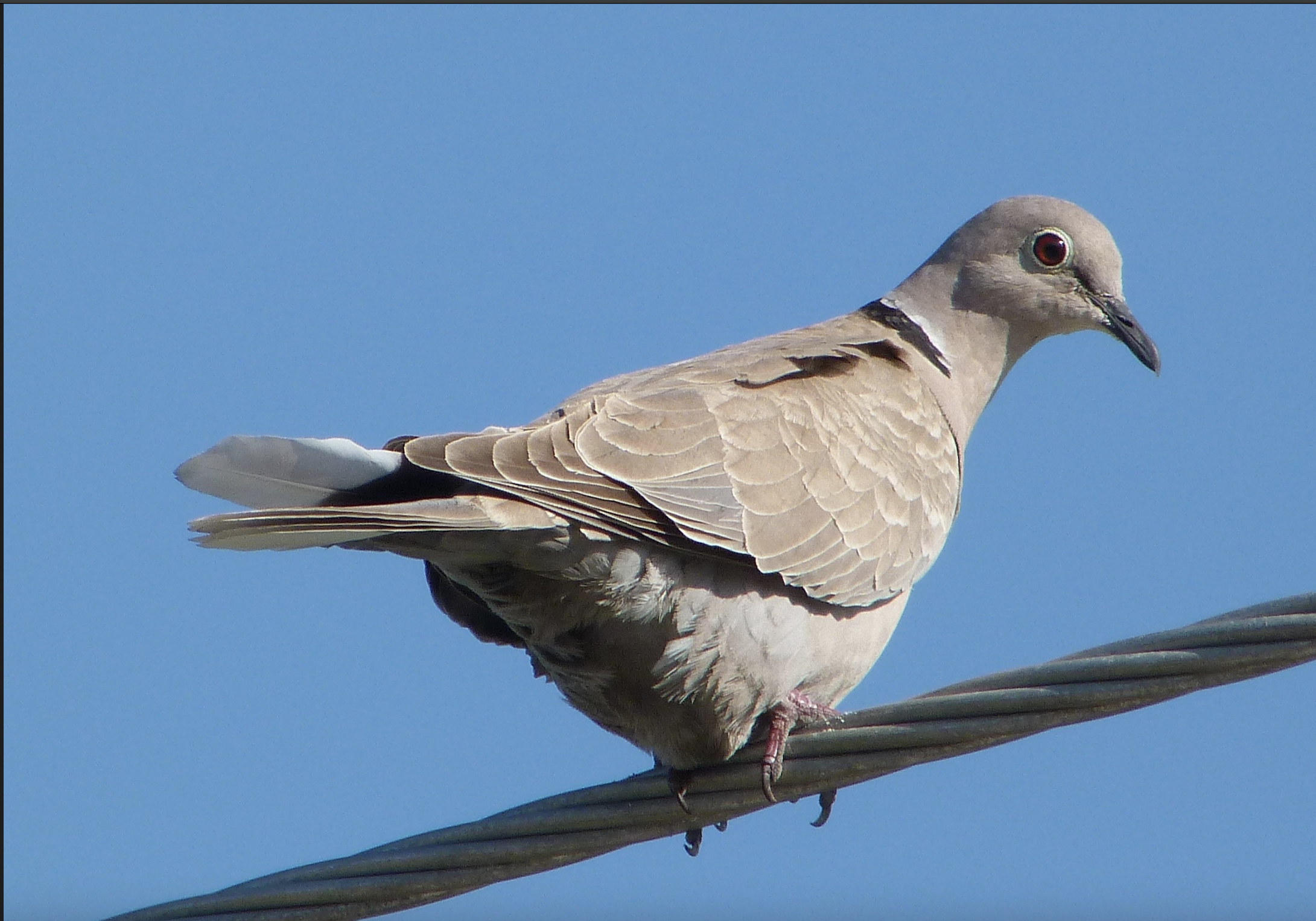

COLLARED DOVE . Streptopelia decaocto
WEST INDIAN WOODPECKER Melanerpes superciliaris

The WEST INDIAN WOODPECKER Melanerpes superciliaris is one of Abaco’s specialist birds. Islanders and regular visitors will be familiar with the sight – and indeed the raucous sound – of these beautiful birds. They are commonly found throughout Abaco and the cays. Possibly their rarity across the wider Bahamas is underestimated. The only other island where these birds are found is San Salvador. Formerly resident on Grand Bahama, they are believed to be extirpated there. Abaco is very fortunate to enjoy their noisy company.


Photo credits: Tom Sheley
‘BAHAMA DUCK‘ Anas bahamensis


Photos taken on Abaco by Gerlinde Taurer, a major contributor to “Birds of Abaco”

The Black-and-White Warbler Mniotilta varia is a fairly common winter resident on Abaco. They are the only birds of the genus Mniotilta (“moss-picker” gr.). Unlike most warblers these birds behave rather like nuthatches, creeping along the trunks and branches of trees grubbing insects out of the bark. Pine trees are ideal for this. A lot of the 37 species of warbler on Abaco are small and yellow. But as soon as I saw one of these for the first time, I was very relieved. I knew exactly what it was – the bird that has been described as ‘a flying humbug’.


Finally, this is a great short video of this little bird in action. Even if you only watch the first 30 seconds, you will be enchanted…
Image Credits: Bruce Hallett, Tom Shelley, Tom Reed. All are contributors to “The Delphi Club Guide to the Birds of Abaco” (Publ. March 2014)
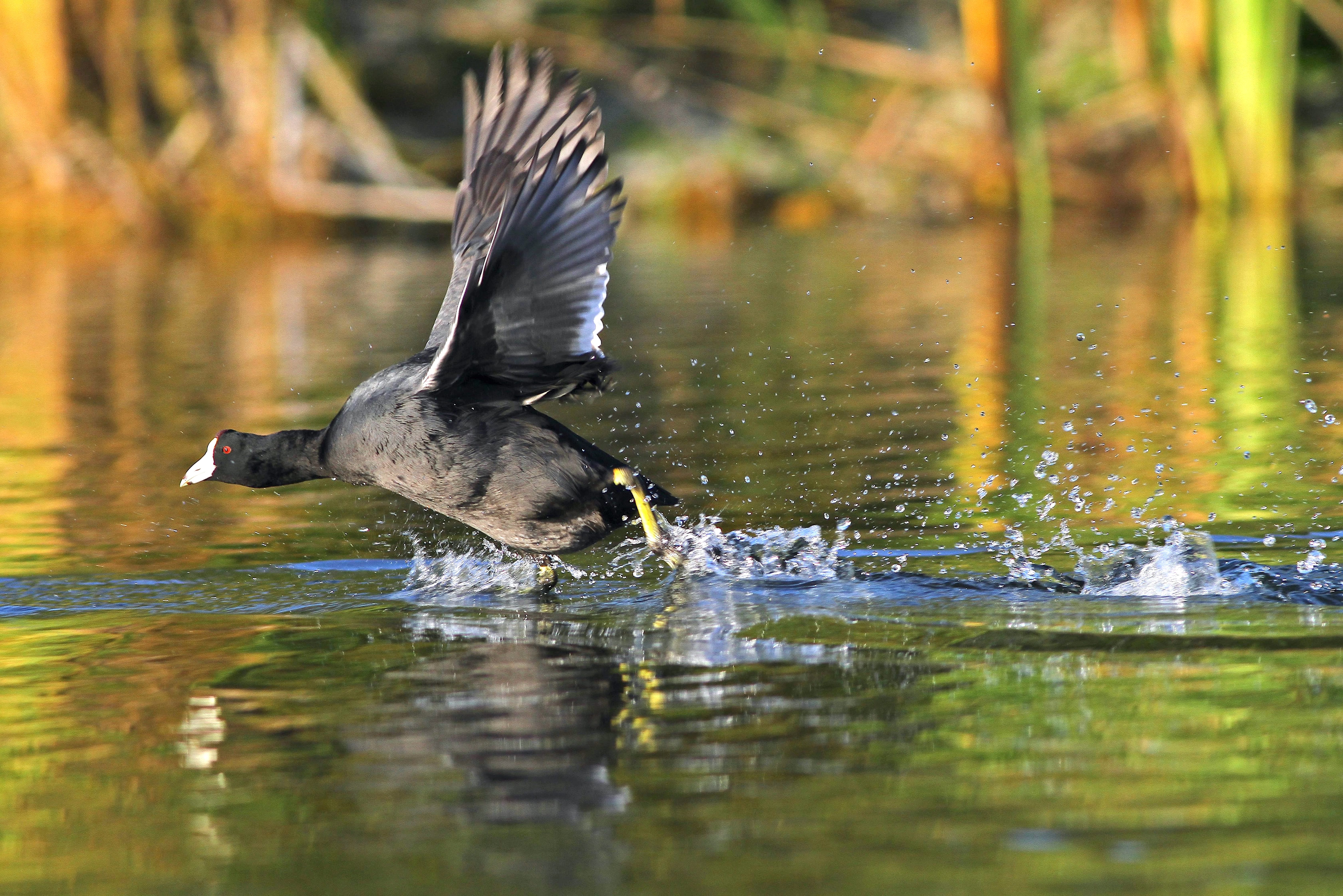
Coots and gallinules (moorhens) tend to get overlooked as birds of interest, being familiar to all and far from unusual in many locations. However, it is hard to imagine a more dramatic waterfowl image than this coot on the point of lift-off. Gerlinde Taurer, a significant contributor to BIRDS OF ABACO, captured this moment – a split second with the bird’s wings raised and the frantic paddle as the bird takes off.


A humorous conversation

A rather wind-blown gull in non-breeding plumage


WHAT DO LAUGHING GULLS SOUND LIKE? ARE YOU OVERSENSITIVE?
I made a couple of short recordings of the gulls in full humour mode; also a short video of the breeding pair above. If you have never heard them before, you might want to listen to the full 30 seconds. For anyone else there’s a convenient lull at around 15 secs before they kick off again.
Breeding adult (Birdorable)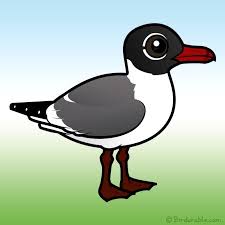
All photos, audio clip, video: Keith Salvesen / Rolling Harbour


The Tricolored Heron Egretta tricolor is one of 6 heron species found on Abaco, and is a permanent breeding resident. To which can be added 4 sorts of egret to complete a line up of expert fishers, all equally at home hunting in the water or from the shore, or surveying the scene from nearby vantage points like bushes and trees. A long neck, a long bill and long legs make this heron species ideally adapted for wading. Like other herons and egrets, it will stand stock-still waiting for the perfect fish to swim into range. However they are also active hunters, and will stalk prey or chase it by striding quickly through the water in pursuit. They eat fish, crustaceans, reptiles, and insects.


The heron and egret species of Abaco


Breeding plumage: smart blue bill and a fish to put in it
Credits: Phil Lanoue (1, 7); Dan Pancamo (2); Keith Salvesen (3); Woody Bracey (4); Bruce Hallett (5)


 THE BIRDS OF ABACO