Unknown's avatar

NEOTROPIC CORMORANTS

Neotropic Cormorant, Treasure Cay, Abaco 1 (Tom Sheley)

“EMERALD EYES”: NEOTROPIC CORMORANTS ON ABACO

Neotropic or Olivaceous Cormorants Phalacrocorax brasilianus. Smaller cousins of the familiar double-crested cormorant, and occupying a quite different range. In the northern Bahamas they are considered to be uncommon summer residents whereas the big guys are common year-round residents. However the neotropics’ range has spread in the last decade and they may become more noticeable on Abaco. Right now, Abaco is pretty much the northern boundary.

images        images-1

In many ways, cormorants are taken rather for granted – ubiquitous black guardians of the coastal margins. But seen close-to, they have their glamour. This is especially true of the slimmer neotropics, with precious jewels for eyes and intricate plumage patterns that a mere fly-past cannot reveal.

Male and female neotropic cormorants: a caption contest in the making…Neotropic Cormorant, Abaco 3 (Bruce Hallett)

Neotropic Cormorant, Abaco 2 (Bruce Hallett)
Comingsbirds
Besides being smaller and lighter than the double-cresteds, these cormorants have longer tails. They are mainly fish-eaters both at sea, and inshore where ponds are to be found. They make brief dives to find food; in groups they may combine to beat the water with their wings to drive fish into the shallows where they can be picked off more easily.
Neotropic Cormorant, Abaco 1 (Bruce Hallett)
The eagle-eyed may have noticed that in some photos the birds seem to be standing on some kind of white pipe, as indeed they are. That is because a good bet for finding one in the summer is on the golf course pond in Treasure Cay, a most productive location for spotting water birds of many species. The pipes are to do with the watering arrangements. I think.Neotropic Cormorant, Treasure Cay, Abaco 2 (Tom Sheley)
As I have written elsewhere, “Call in at the Clubhouse for permission first. And if you hear a loud yell of ‘Fore’, it’s not someone counting birds. It’s time to duck…”
Raining? What, me worry?Neotropic Cormorant, Treasure Cay, Abaco 1 (Tom Sheley)Neotropic Cormorant, Treasure Cay, Abaco 3 (Tom Sheley)

Credits: Photos – Bruce Hallett, Tom Sheley, Lycaon; Infographics – Allaboutbirds, Comingsbirds

SONY DSC

Unknown's avatar

ANTILLEAN NIGHTHAWKS

Antillean Nighthawk, Abaco (Woody Bracey)

ANTILLEAN NIGHTHAWKS ON ABACO

“FAST FOOD ON THE WING”

The Antillean Nighthawk Chordeiles gundlachii has several local names such as ‘killakadick’ and ‘pi-di-mi-dix’, and variations on the theme – presumably onomatopoeic. The photos below illustrate these wonderful birds in flight and on the ground.

Paul Marvin / Xeno-Canto

Antillean Nighthawk in flight 3. Abaco Bahamas.6.13.Tom SheleyAntillean Nighthawk, Abaco (Sandy Walker)

The speed of flight and the jagging paths make the nighthawks extremely hard to photograph. It’s far easier when they are on the ground…

Antillean Nighthawk, Abaco Woody BraceyAntillean Nighthawk chick (aka pi-di-mi-dix) BahamasAntillean Nighthawk, Abaco (Susan Daughtrey)

Credits: Woody Bracey (1, 4); Tom Sheley (2); Sandy Walker (3); Birds Caribbean (5), Susan Daughtrey (6); Paul Marvin at Xeno-Canto for the sound recording

Unknown's avatar

BAHAMA WOODSTAR HUMMINGBIRDS

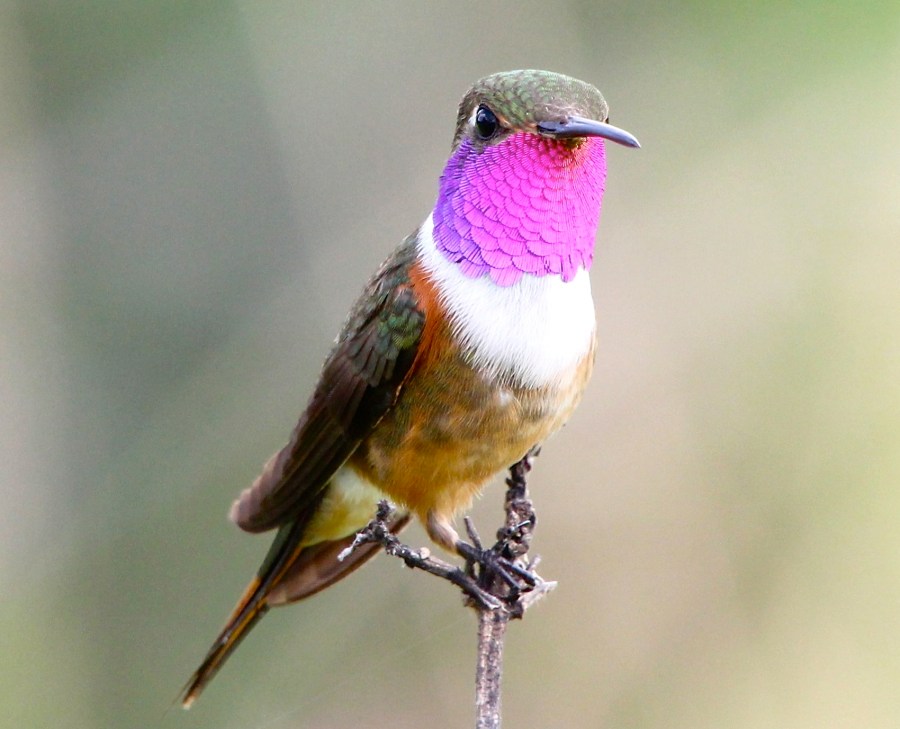
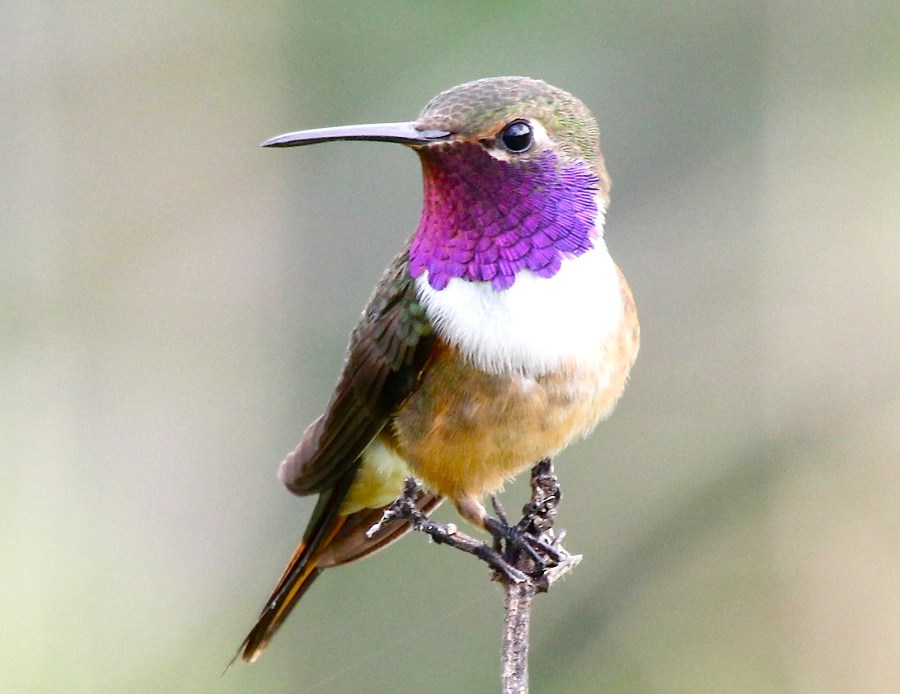
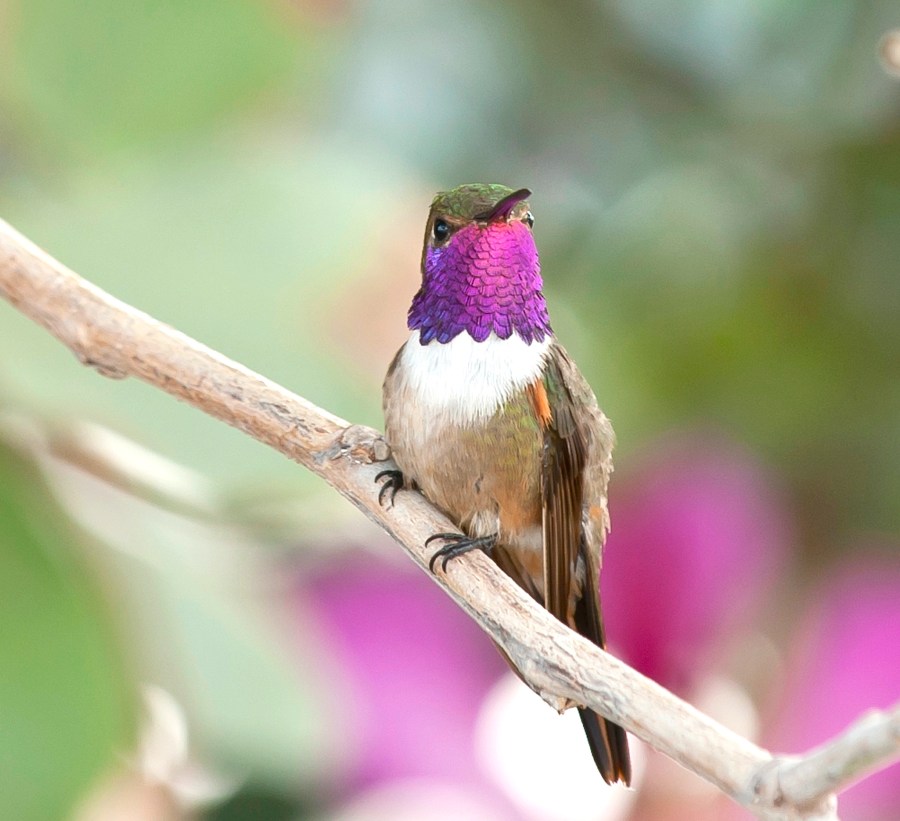
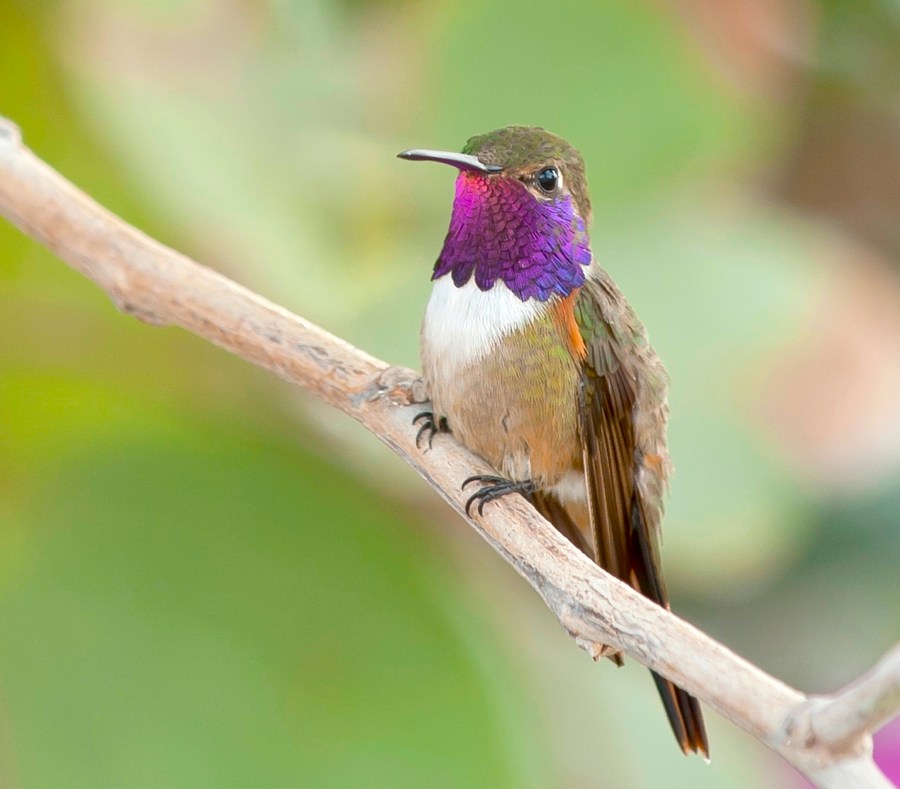
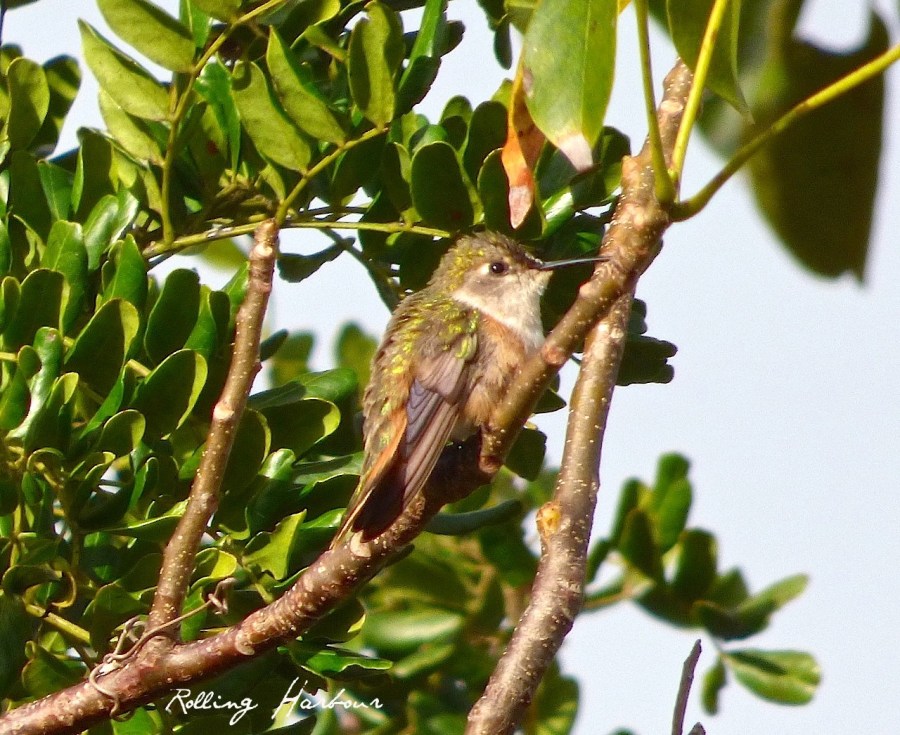
Bahama Woodstar (m), Abaco (Bruce Hallett)Bahama Woodstar (m), Abaco (Bruce Hallett)  Bahama Woodstar (m), Abaco (Tom Sheley) Bahama Woodstar (m), Abaco (Tom Sheley)

The above birds with the purple ‘gorgets’ are males; below are two females

Bahama Woodstar (f), Abaco (Tara Lavallee)

A Woodstar in the coppice at Delphi – I had about 5 seconds to get this (not very good) shot!Bahama Woodstar (f), Delphi, Abaco (Keith Salvesen)

Credits: Bruce Hallett (1, 2); Tom Sheley (3, 4); Tara Lavallee (5); Keith Salvesen (6)

Unknown's avatar

THE PIGEON & DOVE SPECIES OF ABACO

The Columbidae of Abaco: all are permanent breeding residentsPigeons : Doves Abaco

White-crowned PigeonWhite-crowned Pigeon, Abaco, Bahamas (Gerlinde Taurer)White-crowned Pigeon, Abaco (Alex Hughes)

White-winged doveWhite-winged Dove, Abaco Bahamas - Tom SheleyWhite-winged Dove, Abaco - Tony Hepburn

Eurasian Collared DoveCollared Dove, Abaco - Keith Salvesen / Rolling HarbourEurasian Collared Dove, Abaco (Bruce Hallett)

Common Ground Dove (Tobacco Dove)Common Ground Dove, Abaco 1 (Tom Sheley)Common Ground Dove, Abaco (Keith Salvesen)

Zenaida DoveZenaida Dove, Abaco (Bruce Hallett)Zenaida Dove, Abaco (Bruce Hallett)

Key West Quail-DoveKey West Quail Dove, Nassau, Woody BraceyKey West Quail-Dove, Elbow Cay, Abaco (Milton Harris) 1a

Rock PigeonRock Pigeon, Sandy Point, Abaco Bahamas.Tom Sheley 2bRock Pigeon NYC (keith Salvesen)

Mourning DoveMourning Dove, Abaco (Charles Skinner)

The birds shown above represent the 8 species found on Abaco. However, in New Providence, there is a beautiful pigeon that has not yet made its way over to Abaco and has yet to be introduced there. 

Pied Imperial Pigeon (Nassau)Pied Imperial Pigeon 1, Nassau (Woody Bracey)Pied Imperial Pigeon 2, Nassau (Woody Bracey).JPG

Photo credits: Gerlinde Taurer (1); Alex Hughes (2); Tom Sheley (3, 7, 13); Tony Hepburn (4); Keith Salvesen (5, 8, 14); Bruce Hallett (6, 9, 10); Woody Bracey (11, 16, 17); Milton Harris (12); Charles Skinner (15)

Unknown's avatar

BLACK AND WHITE WARBLER

B & W Warbler (f) BH IMG_0482 copy

The Black-and-White Warbler Mniotilta varia is a fairly common winter resident on Abaco. They are the only birds of the genus Mniotilta (“moss-picker” gr.). Unlike most warblers these birds behave rather like nuthatches, creeping along the trunks and branches of trees grubbing insects out of the bark. Pine trees are ideal for this. I remain rather dim about the 37 species of warbler on Abaco. A lot of them are small and yellow. But as soon as I saw one of these for the first time, I was very relieved. I knew exactly what it was – the bird that has been described as ‘a flying humbug’. 

Black & White Warbler.Cross Harbor.Abaco Bahamas.Tom SheleyB & W Warbler BH IMG_9587 copyBlack & White Warbler TR jpg

SUMMER     WINTER
220px-Mniotilta_varia_map.svg

Finally, this is a great short video of this little bird in action. Even if you only watch the first 30 seconds, you will be enchanted…

Image Credits: Bruce Hallett, Tom Shelley, Tom Reed. All are contributors to “The Delphi Club Guide to the Birds of Abaco” (Publ. March 2014)

Unknown's avatar

AMERICAN COOTS


American Coot - Bahamas - Great Abaco - Gerlinde Taurer

AMERICAN COOTS: “WHAT’S AFOOT?”

The American Coot Fulica americana is similar in many respects to the COMMON GALLINULE (MOORHEN). Except for the beak colour, of course. And as you will see below, the feet.

American Coot.Abaco Bahamas (Tom Sheley)

Most people would give an off-the-cuff description of a coot as ‘a black duck with a white beak’. They might add ‘…and a red eye’. Or ‘…and a dark band at the tip of the beak’. Or even ‘…I think there’s a white bit at the back end’. The header image pretty much sums up the classic coot.

American Coot 2 (Keith Salvesen)

However, coots seem to take up or reflect other colours at times. The eyes remain a piercing red and the beak is white, but the body can range from black through slate-grey to pale grey, depending on the light. There may even be a tinge of brown or even orange.

American Coot - Bahamas - Great Abaco - Gerlinde Taurer

I always enjoy seeing coots and moorhens somewhere where the water ‘works’ with them and creates a dramatic image. I took the first photo below recently on the JKO reservoir in Central Park, New York, where the water looked weirdly like molten metal and some trick of the light made the bird seem as if is was in a shallow depression in the water.

American Coot (Keith Salvesen)

Tom Sheley took the photo below on a ‘green water’ day at the pond on Treasure Cay Golf Course. I have recommended it before as an excellent birding site for waterbirds – coots, moorhens, Bahama pintails, northern pintails, neotropic cormorants, blue-winged teal, least grebes, pied-billed grebes, green herons – I’ve even seen a reclusive least bittern there. There are plenty of ‘land’ birds on the course too.

American Coot.Treasure Cay, Abaco Bahamas.6.13.Tom Sheley copy 2

If you go to TCGC for the birding, you just need to clock in at the clubhouse in case it’s a match day; and so they know who is out and about on the course. And, as I wrote elsewhere, if you hear a loud yell of “Fore”, it probably won’t be someone counting the coots. Time to… er… duck.

Q: “WHAT’S AFOOT?” *

I mentioned that one of the differences between coots and moorhens is their feet. Gerlinde Taurer’s photo of a coot taking off suggests that something powerful is happening below the water to assist the wings to propel the bird into flight.American Coot - Bahamas - Great Abaco - Gerlinde Taurer

A coot’s feet are quite unlike the pedal extremities of any other birdCoot, showing feet (Keith Salvesen)Coot Feet Close-up Keith Salvesen copy

Moorhen’s feet for comparison – completely different structurallymoorhen_feet-mehmet-kartuk-wikijpg-copy* A: “A funny-shaped thing on the end of your leg”. How we laughed (aged 7)

Credits: Gerlinde Taurer (1, 4, 7); Tom Sheley (2, 6); Keith Salvesen (3, 5, 8, 9); Mehemet Kartuk (wiki) 10


Unknown's avatar

COMMON GALLINULE (MOORHEN)

Common Gallinule.Abaco Bahamas.6.13.Tom Sheley

WHAT’S IN A NAME? COMMON GALLINULE aka MOORHEN

Names can be a hassle. My own, when not my alter ego Rolling Harbour (from a long line of Harbours), was a act of Baptismal Folly for which I cannot be held responsible. I could have changed it by Deed Poll were I seriously bothered, but I am aware that there are far worse names out there and at least mine reflects my scandi-scottish origins I suppose.

Common Gallinule, Abaco - Bruce Hallett

The Moorhen has had a far worse time of it. Over many decades its name has been changed, changed back and changed again. Partly it’s to do with a continuing debate over the New World and Old World subspecies – or as it now stands, separate species. Even that status has changed around over time. It’s enough to give the poor creature an ID crisis.

Bahamas-Great Abaco_7551_Common Gallinule_Gerlinde Taurer copy

The Common Gallinule Gallinula galeata, as it has been known since 2011, is a bird of the rail family. The AOU decreed its divorce from the Common Moorhen after due consideration of the evidence and it is now lumbered with the less familiar and user-friendly Gallinule name.

Common Gallinule, Abaco - Peter Mantle

Note the yellow legs and large feet (unwebbed)

Moorhens (I’m using this as a comfortable nickname, aware that I am flying in the face of progress) are usually seen swimming serenely around ponds or picking their way through marshy ground as they forage. They have an aggressive side, hissing loudly if they feel threatened and fighting to preserve their territory or nest. Nestlings have been observed clinging to a parent as it flies to safety with its offspring as passengers.

Bahamas-Great Abaco_7536_Common Gallinule_Gerlinde Taurer copy

WHAT IS A ‘GALLINULE’ WHEN IT’S AT HOME

I wondered what the word ‘Gallinule’ actually means? What is the derivation? The BINOMIAL NOMENCLATURE (basically = scientific name in Latin) of most species is largely unintelligible unless you have some knowledge of Latin. But most birds end up with a useful, often descriptive, everyday name. Red-tailed Hawk. Least Tern. Yellow Warbler. Painted Bunting. You know what to expect with those. But a ‘Gallinule’ could as easily be a french cooking receptacle or delicious dish. Or a grim and slimy horror from Tolkien. Or maybe something / someone out of Harry Potter. Sleuthing online reveals that the word is a modern Latin construct of the c18, derived from the Latin diminutive word for a ‘hen’. So it’s simply a hen. As in Moorhen.

Common Gallinule, Abaco Woody Bracey

WHAT IS A ‘MOOR’ WHEN IT’S ATTACHED TO A HEN?

This does not refer to a wide swathe of open upland country, often covered in heather and gorse, where in the UK (especially in Scotland) every August 12 thousands of grouse are traditionally shot. It stems from an honest Old English word for a marshy or swampy area, Mor. It was used from early mediaeval times and itself comes from Saxon and Germanic roots. So perhaps calling the Common Gallinule a [Common] Marsh Hen would be more helpful… Or – hey! – why not have American Moorhen and Eurasian Moorhen, a perfectly valid differentiation used quite satisfactorily for other species…?

Common Gallinule (nonbreeding adult).Abaco Bahamas.2.12.Tom Sheley

Adult non-breeding plumage

There’s more on the naming of birds generally and Moorhens specifically in a couple of amusingly-written sources I came across. The first is from NEMESIS BIRD written by Alex Lamoreaux in 2011, called Goodbye Moorhen, Hello Gallinule. The second is from the excellent 10000BIRDS.COM entitled Moorhen Mania – the splitting and renaming of the Common Moorhen

Common Gallinule (Leucistic?) - Tony Hepburn

The bird above with a striking colouring and orange beak was photographed by the late Tony Hepburn. He believed it to be an unusual LEUCISTIC moorhen with reduced pigmentation, a condition that has similarities with ALBINISM

BAHAMAS - Common Gallinule, Abaco, TC GC Hole 11 - Becky Marvil

At some stage I am planning a companion Coot post. I won’t need to go on and on about that name. It may not be descriptive but it is short and simple, and everyone knows where they stand with it. Until they decide to rename it a Cotellinule…

Gallinule © Hans Hillewaert

Credits: Tom Sheley, Bruce Hallett, Peter Mantle, Gerlinde Taurer, Woody Bracey, Tony Hepburn, Becky Marvil, Hans Hillewaert, Nemesis Bird, 10000birds.com

     common-gallinule     common-gallinule     common-gallinule     common-gallinule     common-gallinule     common-gallinule

Unknown's avatar

BANANAQUITS ON ABACO

Bananaquit, Abaco - Bruce Hallett

BANANAQUITS ON ABACO: CHEERY VANQUISHERS OF GLOOM

I’d been planning a post about marine debris and its dire effects on the natural world. Some images I proposed to use are distressing, and some simply suggest how futile it is to try to prevent mankind chucking harmful and semi-permanent rubbish into the sea. Depressing. A gyre of upset. Add in new military interventions without limitation and suddenly I longed for something more cheerful. Checking through a folder of photos of Bananaquits helped to stave of the gloom, so I picked out a few images of this lovely small bird taken by 9 photographers. 

Bananaquit, Abaco - Craig NashBananaquit & palm, Delphi, Abaco, Bahamas 2 (Keith Salvesen)Bananaquit, Treasure Cay, Abaco - Becky MarvilBananaquit, Bahamas, Great Abaco - Gerlinde TaurerBananaquit, Abaco - Bruce HallettBananaquit, Abaco - Charlie Skinner Bananaquit, Abaco - Erik GaugerBananaquit, Abaco - Tom ReedBananaquit, Abaco - Peter Mantle

Credits: Bruce Hallett, Craig Nash, Keith Salvesen, Becky Marvil, Gerlinde Taurer, Charlie Skinner, Erik Gauger, Tom Reed, Peter Mantle

Unknown's avatar

BLACK-WHISKERED VIREO

Black-whiskered Vireo, Abaco (Bruce Hallett)

BLACK-WHISKERED VIREO

There are 8 vireo species recorded for Abaco. The most common is the ubiquitous Thick-billed Vireo Vireo crassirostris – the only permanent resident vireo – whose cheery chirp is part of the background of bird song heard daily all over the island.  The only other species you are likely to encounter without going out of your way is the summer resident BLACK-WHISKERED VIREO Vireo altiloquus, which breeds on Abaco. The other 6 are the White-eyed, Yellow-throated, Blue-headed, Warbling, Philadelphia, and Red-eyed Vireo. Of these, the first 2 are quite rare winter residents; and the other 4 are considered to be transients. Black-whiskered Vireo, Abaco

The BWV’s song is similar to the Thick-billed Vireo, but (luckily) identifiably different. I’m not a great one for phonetic attempts at turning a bird call into a human sentence of the ‘Quick!-come-to-pick-up-a-brick’ and the ‘Skin-me-a-nice-bit-of-bonefish’ type. The Black-whiskered Vireo’s song has been described as sounding like ‘Whip, Tom Kelly’. But not to me. See what you make of it…

Brian Cox / Xeno-Canto

Black-whiskered Vireo, Abaco Bahamas 2 (Tom Sheley)

As with other vireo species, the BWV has a stout bill, a feature that helps to distinguish vireos from the many thin-billed warbler species on Abaco. The main signifiers are found on this bird’s head: the dark stripe right through the eye; the long white eyebrows; and the noticeable black lines – the ‘whiskers’ – on the sides of the neck. Other identification pointers are the pale underside with a yellow tinge to the flanks and undertail; and the red eyes (the red-eyed vireo, a very similar bird, lacks the whiskers).Black-whiskered Vireo, Abaco (Charmaine Albury)

Black-whiskered vireos feed mostly on insects in trees, bushes and undergrowth. They can sometimes be seen hovering while they forage. They also vary their diet with small quantities of berries. Here are two great shots of a mother BWV feeding a very large chick with a berry, followed by some vile insect.Black-whiskered Vireo, Abaco (Charlie Skinner)Black-whiskered Vireo, Abaco (Charlie Skinner)

Image Credits: Bruce Hallett, Tom Shelley, Charlie Skinner, Charmaine Albury, Erik Gaugerblack-whiskered-vireo, Abaco (Erik Gauger) 1

Unknown's avatar

CLAPPER RAILS ON ABACO, BAHAMAS

Clapper Rail on Abaco by Sandy Walker

ABACO BIRDS… THAT RUN LIKE THE CLAPPERS

That is, essentially, because they are indeed Clappers. Rallus longirostris to be precise, or Clapper Rails. There are 4  rail species on Abaco, the Clapper being a permanent resident and not particularly uncommon. The others are the Virginia Rail and the Sora, both winter residents and less common (or in the Sora’s case, perhaps more furtive and less easy to find); and the Black Rail, which is generally agreed to be a ‘hypothetical’ for Abaco. That means they are believed to exist on Abaco but there are no confirmed sightings let alone any photos of one. However, last summer while we were taking a truck into the backcountry of South Abaco to locate hard-to-find birds for “The Birds of Abaco” book, the distinctive call of a Black Rail call was heard independently by two people on two different days in two different locations. I’ve heard another report since then. So they are out there somewhere, but keeping their heads down. The first to find one will have a considerable avian scoop!

Let’s start with some fabulous photographs by Tom Sheley. We used the first one in the book. By being patient, Tom managed to capture this bird having a quality preening session. Here are 4 shots from the sequence, including a rare one of the bird calling. To get the full glory of the detail, click on each image twice.Clapper Rail stretching.Abaco Bahamas - Tom Sheley ("The Birds of Abaco" by Keith Salvesen, p80)Clapper Rail rousing.Abaco Bahamas.Tom SheleyClapper Rail preening 2.Abaco Bahamas.3.12.Tom Sheley copyClapper Rail preening.Abaco Bahamas.3.12.Tom Sheley copy

Clapper Rails are elusive birds of mangrove swamp and marsh, more frequently heard than seen. They tend to lurk around in foliage and are easy to overlook. You may come across one foraging secretively in the mud. Although they can both swim and fly, they prefer to keep both feet on the ground.When running, these rails look endearingly comical. 

Clapper Rail, Abaco Erik Gauger V2Clapper Rail Sandy Walker 1 - V2Clapper Rail, Abaco Bahamas - Becky Marvil

It almost goes without saying nowadays, but the biggest threat to these rather charming inoffensive birds is habitat loss. That is to say, mankind. Drive the bulldozers through the mangroves and marshland of sub-tropical coastal areas, chuck down a few acres of concrete… and the clappers will very soon become clapped out.
Clapper Rail Abaco, Bahamas - Becky Marvil

“TO RUN LIKE THE CLAPPERS”. This phrase seems to be fairly recent, probably dating from early in WW2. Some suggest it is a rhyming slam bowdlerisation of ‘run like hell’ with ‘clapper(s)’ standing for ‘bell’, along the lines of the Cockney “I bought a brand new whistle” (whistle and flute = suit). Almost all plausible explanations relate to bells, and some argue that it simply reflects the rapid speed of the clapper of a vigorously rung handbell.

STOP PRESS Uli Nowlan has sent her photo of a Clapper Rail, taken at the ponds north of Treasure Cay – a reminder that there is good birding to be done in that area of North Abaco – the bird action is not confined to South Abaco below MH…

Clapper Rail, Abaco (TC ponds) - Uli Nowlan

Photo credits:Tom Sheley, Sandy Walker, Erik Gauger and Becky Marvil – plus Uli Nowlan

The Clapper Rail features in “The Delphi Club Guide to the Birds of Abaco” by Keith Salvesen pp 80 – 81